Alternatives to Catalogue CreditCategoriesGuides to Buy Now Pay Later

Alternatives to Catalogue Credit | UK Guide

Alternatives to Catalogue Credit: UK Guide

Alternatives to catalogue credit can help you compare other ways to pay before taking on a new credit agreement. These options may include saving, buying a cheaper item or choosing a refurbished product.

Catalogue credit can be useful in some cases. However, it also creates a payment commitment.

Therefore, it is sensible to compare your options before you borrow.

This guide explains common alternatives to catalogue credit. It also looks at costs, budgeting, risks and when free financial support may be useful.

Important: BuyNowPayLaterCatalogue.co.uk is an independent information and referral website. We are not a lender and do not provide credit. Credit products, eligibility rules, costs and terms vary between providers. Always check the provider’s current terms before entering into a credit agreement.

What Are Alternatives to Catalogue Credit?

Alternatives to catalogue credit are other ways to buy goods without using a catalogue account.

For example, you could save and pay in full.

You could also choose a cheaper item.

In some cases, a refurbished or second-hand product may meet your needs.

Other forms of credit may also exist.

However, switching from catalogue credit to another loan or payment plan does not remove the risks of borrowing.

Therefore, compare the full cost before deciding.

Why Consider Alternatives to Catalogue Credit?

Credit creates an ongoing payment commitment.

That commitment can affect your future budget.

For example, your income may fall.

Your household costs may also rise.

Therefore, a payment that looks affordable today could become harder later.

Looking at alternatives to catalogue credit gives you more choice.

It can also help you avoid borrowing when another option may suit you better.

Saving as an Alternative to Catalogue Credit

Saving is one of the simplest alternatives to catalogue credit.

Instead of borrowing, you put money aside until you can afford the item.

This can take longer.

However, you avoid taking on a new credit agreement.

You may also have more freedom to shop around.

For example, you can compare several retailers before paying.

In addition, there is no repayment schedule to manage after the purchase.

When Saving May Work Well

Saving may work well when the purchase is not urgent.

For example, you may want a new TV but your current one still works.

You could set aside a small amount each week or month.

Over time, this can build towards the full price.

Therefore, saving can reduce the need for credit.

When Saving May Be Harder

Saving may not always be practical.

For example, an essential appliance may break without warning.

You may need a replacement sooner than expected.

In that case, waiting may not be possible.

However, you can still compare lower-cost products and other payment options.

Buying a Cheaper Item as an Alternative to Catalogue Credit

Choosing a lower-cost product can be another useful option.

You may not need the most expensive model.

For example, a smaller TV may meet your needs.

A simpler washing machine may also do the job.

Therefore, compare features before focusing on price alone.

Ask which features you actually need.

This can help reduce the amount you need to spend.

Refurbished Goods as an Alternative to Catalogue Credit

Refurbished goods can be one of the more affordable alternatives to catalogue credit.

A refurbished product has usually been checked, repaired or restored before resale.

It may cost less than a brand-new item.

However, quality can vary.

Therefore, check the seller carefully.

Also check the warranty and returns policy.

For electrical items, make sure the product comes from a trusted source.

Second-Hand Goods as an Alternative to Catalogue Credit

Second-hand items may also reduce the cost of a purchase.

For example, furniture can often be bought used.

Some technology products may also be available second-hand.

However, there can be more risk.

A private seller may offer fewer protections than a retailer.

Therefore, inspect the item where possible.

Also check whether it works as expected.

For large purchases, ask about delivery costs too.

Interest-Free Savings Plans as Alternatives to Catalogue Credit

Some retailers may let you pay towards an item before you receive it.

This can work more like saving than borrowing.

However, the exact setup can vary.

Therefore, check whether a credit agreement is involved.

Also check what happens if you cancel.

Ask whether your money is protected.

Finally, check when the goods will be supplied.

Do not assume every pre-payment plan works in the same way.

Cash Purchases as Alternatives to Catalogue Credit

Paying in full can be one of the clearest alternatives to catalogue credit.

You pay once and do not have future repayments.

This can make budgeting simpler.

However, paying in full can reduce your savings.

Therefore, think about emergency funds too.

Do not use all your available money if that would leave you unable to handle an urgent bill.

Debit Cards as Alternatives to Catalogue Credit

A debit card uses money already in your bank account.

So, it does not create the same type of borrowing as catalogue credit.

This can help you avoid future repayments.

However, you still need enough money available.

Therefore, check your balance before buying.

Also think about upcoming bills.

Do not spend money that is already needed for rent, food or other essentials.

Credit Cards as Alternatives to Catalogue Credit

A credit card is another form of borrowing.

Therefore, it is not a debt-free alternative.

However, some people may compare it with catalogue credit.

For example, a card may offer an interest-free purchase period.

However, interest may apply if the balance is not cleared under the offer terms.

You should also check any fees.

Therefore, compare the total cost and repayment rules carefully.

A low minimum payment does not mean the debt will be cleared quickly.

Personal Loans as Alternatives to Catalogue Credit

A personal loan may be used for a larger purchase.

However, it is still credit.

You borrow a fixed amount and repay it over time.

Interest may apply.

Therefore, compare the APR and total amount payable.

Also check the repayment term.

A longer term may reduce the monthly payment.

However, it can increase the total interest paid.

So, do not compare loans using the monthly payment alone.

Credit Union Loans as Alternatives to Catalogue Credit

A credit union may offer loans to its members.

These can be worth comparing with other forms of credit.

However, you may need to meet membership rules.

Interest can also apply.

Therefore, check the total cost.

Also check the repayment period and eligibility rules.

Do not assume a credit union loan is automatically suitable because it comes from a community-based provider.

Employer Schemes as Alternatives to Catalogue Credit

Some employers offer salary-linked purchase or savings schemes.

These may cover certain goods or services.

However, the terms can vary a lot.

Therefore, check how payments are taken.

Also check what happens if you leave your job.

Ask whether any credit agreement is involved.

Finally, compare the total cost with buying elsewhere.

Family Help as an Alternative to Catalogue Credit

Some people may be able to borrow from family or friends.

This may avoid commercial interest or charges.

However, informal borrowing can still create problems.

For example, it can put pressure on relationships.

Therefore, agree clear terms.

Write down how much is being borrowed.

Also agree when it will be repaid.

Do not borrow informally if repayment is likely to cause conflict or hardship.

Community Support as an Alternative to Catalogue Credit

In some cases, local support may be available.

For example, charities or councils may offer help with essential items.

This can depend on where you live and your circumstances.

Therefore, check local support before borrowing for an urgent need.

Citizens Advice may also help you find local schemes.

This can be useful when the purchase is essential rather than optional.

Grants as Alternatives to Catalogue Credit

Some people may qualify for grants.

A grant does not usually need to be repaid.

However, eligibility rules apply.

For example, some grants may help with essential household items.

Others may be linked to work, health, family status or location.

Therefore, check whether support is available before borrowing.

Do not pay a fee to a company that promises a grant without checking it carefully.

Budgeting as an Alternative to Catalogue Credit

A simple budget can help you see whether you need credit at all.

First, list your income.

Next, write down your essential costs.

Then include existing debt payments.

After that, look at what remains.

You may find that saving for the item is possible.

Alternatively, the budget may show that a new payment would be too tight.

Therefore, budgeting can help you compare alternatives to catalogue credit.

Alternatives to Catalogue Credit for Essential Items

An essential purchase can feel more urgent.

For example, you may need a bed, fridge or washing machine.

In that case, compare several options quickly.

First, look for lower-cost models.

Next, check refurbished goods.

Then look for local support or grants.

Finally, compare any credit options that remain.

Do not let urgency stop you from checking the terms.

Alternatives to Catalogue Credit for Non-Essential Items

For non-essential purchases, waiting can be a strong option.

For example, a new TV or gaming device may be something you want rather than need.

In that case, saving may be more suitable.

You can also watch for normal retail price reductions.

Therefore, consider delaying the purchase.

This can help you avoid taking on a new payment commitment.

Alternatives to Catalogue Credit and 0% Offers

A 0% offer can look attractive.

However, 0% interest does not mean the purchase is automatically affordable.

You still need to repay the amount borrowed.

Therefore, compare the regular payment with your budget.

Also check the total price.

In some cases, paying cash elsewhere may still be cheaper.

So, do not focus only on the interest rate.

Alternatives to Catalogue Credit and Your Credit Score

Using less credit may reduce the need for new applications.

This can matter because some applications involve hard credit searches.

However, avoiding catalogue credit does not guarantee a higher credit score.

Credit scoring is more complex.

Therefore, do not choose an option only because you think it will improve your score.

Instead, focus on cost and affordability.

Our guide to how catalogue credit can affect your credit score explains this in more detail.

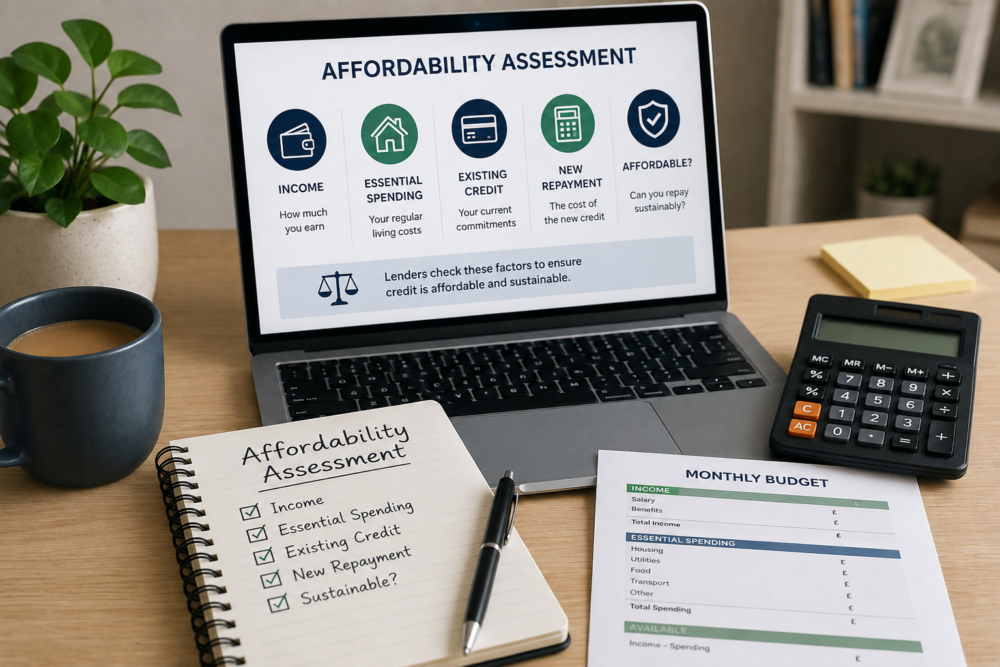
Alternatives to Catalogue Credit and Affordability

Affordability should guide your decision.

For example, a cheaper product may be easier to manage without credit.

Saving may also avoid future repayments.

However, another form of credit can still create pressure.

Therefore, check your budget first.

Our guide to what an affordability assessment is explains how affordability can be considered.

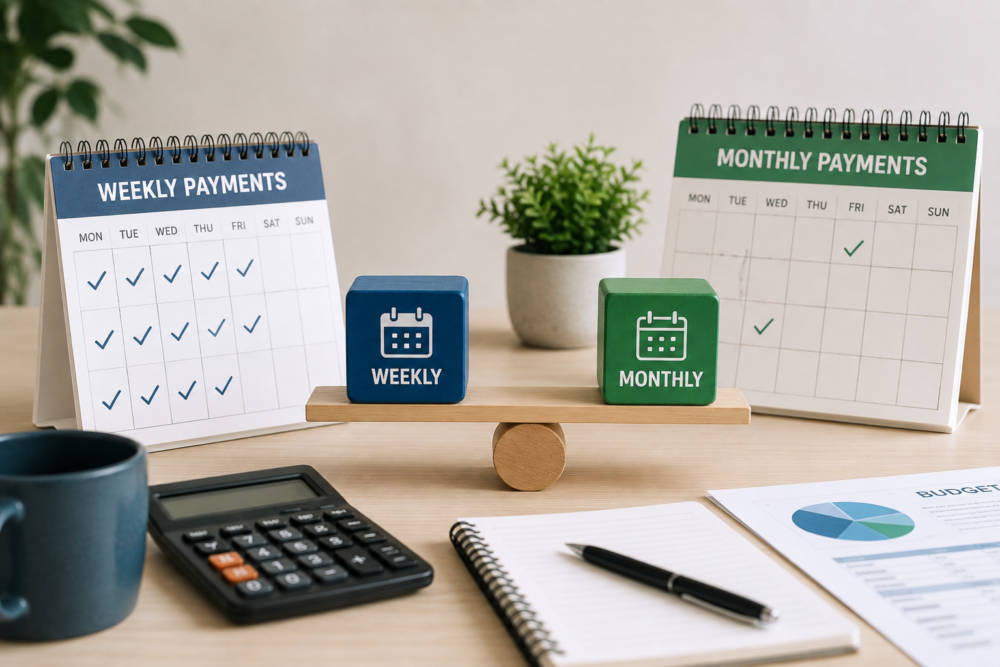
Alternatives to Catalogue Credit and Weekly Payments

A weekly payment can look small.

However, it is due more often.

Therefore, do not compare weekly credit with cash using one payment alone.

Look at the full cost.

Then compare it with saving the same weekly amount.

For example, you may be able to save towards the item instead.

Our pay weekly vs pay monthly guide explains how payment frequency can affect budgeting.

Alternatives to Catalogue Credit and Pre-Payments

Some catalogue plans require pre-payments before dispatch.

In that case, compare the plan with saving directly.

If you are already making payments before receiving the item, saving may be worth considering.

However, the two options are not the same.

A catalogue arrangement may involve credit and contract terms.

Therefore, check the agreement carefully.

Our catalogue pre-payments guide explains how these arrangements can work.

Alternatives to Catalogue Credit When You Already Have Debt

If you already have several debts, more credit may make budgeting harder.

Therefore, look at the full picture first.

Write down every debt payment.

Then add essential household costs.

If very little money remains, another agreement may not be suitable.

In that case, consider lower-cost options or delay the purchase.

If the debt is already difficult to manage, free advice may help.

Alternatives to Catalogue Credit If You Have Poor Credit

Poor credit can limit some borrowing options.

However, this does not mean you should accept expensive credit.

First, consider whether you can wait and save.

Next, check cheaper goods.

You could also look at refurbished items.

For essential items, check local help.

Therefore, avoid assuming that another high-cost loan is your only choice.

Alternatives to Catalogue Credit if You Are Declined

If a catalogue application is declined, avoid making many new applications straight away.

Several applications may involve several hard searches.

Instead, review your budget.

Check whether the purchase can wait.

You may also want to check your credit reports for errors.

However, a decline does not always mean there is an error.

Lenders can use their own criteria.

Therefore, consider non-credit options before applying again.

Alternatives to Catalogue Credit if You Miss Payments

If you already miss catalogue payments, taking more credit may add pressure.

Therefore, deal with the existing problem first.

Contact the provider.

Check what you can afford.

Then seek free advice if needed.

Our guide to what happens if you miss catalogue payments explains the next steps.

How to Compare Alternatives to Catalogue Credit

Use the same questions for every option.

First, ask what the item costs in cash.

Then ask what the total credit cost would be.

Next, check how long you will be paying.

Also check interest and fees.

Then consider delivery times.

Finally, look at your budget.

This makes it easier to compare alternatives to catalogue credit fairly.

Questions to Ask About Alternatives to Catalogue Credit

Before choosing a payment option, ask:

  • Do I need the item now?
  • Could I save for it?
  • Is there a cheaper model?
  • Could I buy refurbished?
  • Could I buy second-hand?
  • Is local support available?
  • Could I qualify for a grant?
  • What is the cash price?
  • What is the total credit cost?
  • Will interest apply?
  • Are there any fees?
  • Can I afford the repayments?
  • What happens if my income falls?
  • What happens if I miss a payment?

These questions can help you make a more informed choice.

Alternatives to Catalogue Credit FAQs

What Are the Main Alternatives to Catalogue Credit?

Main alternatives to catalogue credit include saving, buying a cheaper item, choosing refurbished goods and paying in full. Other forms of credit may also be available, but they still involve borrowing.

Is Saving Better Than Catalogue Credit?

Saving avoids a new credit agreement. However, it may take longer. Whether it suits you depends on how urgent the purchase is.

Are Refurbished Goods a Good Alternative?

They can be. Refurbished items may cost less than new products. However, check the seller, warranty and returns policy.

Should I Use a Credit Card Instead of Catalogue Credit?

A credit card is still borrowing. Therefore, compare interest, fees and the total repayment cost before deciding.

Are Personal Loans Better Than Catalogue Credit?

Not automatically. A personal loan may have different costs and terms. Compare the APR, total amount payable and repayment period.

Can I Get Help With Essential Items Without Borrowing?

Possibly. Some councils, charities and support schemes may help with essential household items. Eligibility rules vary.

Should I Borrow if I Already Have Debt?

Think carefully. Another credit agreement adds another repayment. If your current debts are hard to manage, free debt advice may be more useful.

What Should I Do if I Am Declined for Catalogue Credit?

Avoid making many new applications straight away. Review your budget, check your credit reports and consider non-credit options first.

Alternatives to Catalogue Credit: Key Points

Alternatives to catalogue credit can help you avoid taking on a new payment commitment.

Saving is one option.

Buying a cheaper item may also help.

Refurbished or second-hand goods can reduce the price too.

For essential purchases, local support or grants may be worth checking.

Other forms of credit may also be available.

However, they still involve borrowing.

Therefore, compare the full cost.

Do not look only at the weekly or monthly payment.

Also check interest and fees.

Most importantly, compare the payment with your budget.

If you already have debt problems, another credit agreement may make them harder to manage.

In that case, seek free help before borrowing more.

MoneyHelper, Citizens Advice and StepChange provide free information and support.

For more general information, visit our Buy Now Pay Later Catalogue information hub.


Editorial information: This guide provides general information about alternatives to catalogue credit in the UK. BuyNowPayLaterCatalogue.co.uk is not a lender. It is not personal financial advice. Costs, eligibility rules and product terms can vary. Check current information before entering into any credit agreement.

Last reviewed: August 2026.

What Happens If You Miss Catalogue PaymentsCategoriesGuides to Buy Now Pay Later

What Happens If You Miss Catalogue Payments?

What Happens If You Miss Catalogue Payments?

If you miss catalogue payments, several things may happen. The provider may contact you about the overdue amount. Your order or account could also be affected. In some cases, missed payments may be reported to credit reference agencies.

However, the exact result depends on your agreement. It can also depend on how long the payment remains unpaid.

Therefore, do not assume that every catalogue provider follows the same process.

Most importantly, act early if you think you may miss catalogue payments. Contacting the provider before the problem grows can help you understand your options.

Important: BuyNowPayLaterCatalogue.co.uk is an independent information and referral website. We are not a lender and do not provide credit. Credit products, eligibility rules, costs and terms vary between providers. Always check the provider’s current terms before entering into a credit agreement.

What Happens If You Miss Catalogue Payments?

If you miss catalogue payments, your account may become overdue.

The provider may then contact you.

For example, it may send an email, text message or letter. It may also contact you in another way allowed under your agreement.

The provider may ask you to bring the account up to date.

However, further action can depend on the type of agreement and how long the payment remains unpaid.

Possible consequences may include:

  • contact from the provider;
  • an overdue balance on your account;
  • limits on further spending;
  • delayed dispatch of goods;
  • fees or charges where permitted by the agreement;
  • information being reported to credit reference agencies;
  • the account moving further into arrears; or
  • further recovery action if the debt remains unpaid.

Not all of these will apply in every case.

Therefore, check your own agreement.

What Should You Do If You Miss Catalogue Payments?

If you miss catalogue payments, contact the provider as soon as you can.

Do not wait for several payments to build up.

First, explain what has happened.

Next, tell the provider if your financial circumstances have changed.

Then ask what options may be available.

For example, a regulated lender may need to consider appropriate support where a customer is in financial difficulty.

However, the right solution will depend on your circumstances and agreement.

Also, avoid promising a payment that you know you cannot afford.

Instead, give accurate information about your situation.

What If You Know You Will Miss Catalogue Payments?

You do not have to wait until a payment is overdue before asking for help.

If you know you may miss catalogue payments, contact the provider early.

This can be useful if your income has fallen.

It may also help if an unexpected bill has affected your budget.

For example, you may have had a higher energy bill or an urgent household repair.

Whatever the reason, explain the situation clearly.

Then ask what the provider can do.

Early contact does not guarantee a particular outcome.

However, it can give you more time to understand your options.

Will You Be Charged If You Miss Catalogue Payments?

You may face a charge if you miss catalogue payments, but this depends on the agreement.

Do not assume that every provider charges a late-payment fee.

Likewise, do not assume that a 0% interest product can never involve other costs.

Check the agreement for any fees or charges.

Also check when they may apply.

If a charge appears on your account and you do not understand it, ask the provider to explain it.

Knowing the rules before borrowing can help you avoid surprises later.

Can Missed Catalogue Payments Affect Your Credit Score?

Yes, missed payments may affect your credit history if they are reported.

A provider may share account information with one or more credit reference agencies.

If you miss catalogue payments, that information could become part of your credit file.

This may then affect how lenders view future applications.

However, providers do not all report information in the same way.

Also, you do not have one universal credit score.

Credit reference agencies and lenders can use different scoring systems.

Therefore, nobody can accurately promise that one missed payment will change your score by a fixed number of points.

Read our guide on how catalogue credit can affect your credit score for more information.

Can One Missed Catalogue Payment Affect Your Credit File?

One missed payment may matter if the provider reports it to a credit reference agency.

However, the exact effect can vary.

For example, the timing of reporting may depend on the provider’s process.

Your wider credit history can also matter.

Therefore, do not assume that one late payment has no effect.

Equally, do not assume that one mistake has permanently ruined your credit history.

If you have missed a payment, deal with it as soon as possible.

Then check your credit reports if you want to see what has been recorded.

How Long Can Missed Catalogue Payments Stay on Your Credit File?

Negative credit information can remain on a UK credit report for several years.

For example, missed-payment markers and defaults can remain visible for a period under credit reporting practices.

However, different types of information are recorded in different ways.

The effect on future lending decisions can also change over time.

For example, lenders may consider how recent the problem was.

They may also look at what has happened since.

Therefore, focus on bringing your finances back under control rather than trying to predict a precise score.

Can You Miss Catalogue Payments on a 0% Agreement?

Yes.

A 0% interest rate does not remove your duty to make the agreed payments.

If you miss catalogue payments on an interest-free agreement, the account may still become overdue.

The provider may contact you.

Other consequences may also apply under the agreement.

For example, missed-payment information could be reported if the provider reports the account to a credit reference agency.

Therefore, do not confuse 0% interest with no financial risk.

You still need to make the required payments.

What Happens If You Miss Catalogue Pre-Payments?

Some catalogue arrangements require payments before goods are dispatched.

If you miss catalogue payments at this stage, dispatch may be delayed.

However, the exact process depends on the provider and agreement.

A number of pre-payments may be required in some cases.

The requirement can vary by customer and provider.

Therefore, never assume that there is one fixed number of pre-payments.

Also, do not assume that making one payment guarantees dispatch.

Check the terms that apply to your order.

Our catalogue pre-payments guide explains this topic in more detail.

Can Missing Catalogue Payments Delay Your Order?

It can, depending on how the catalogue account works.

This is particularly relevant where payments are required before dispatch.

If you miss catalogue payments before the required stage has been completed, the provider may not send the goods yet.

However, not every catalogue account uses this process.

Some credit arrangements may allow goods to be dispatched earlier.

Therefore, check the provider’s current delivery and payment terms.

If you need an item urgently, make sure you understand the expected dispatch date before placing the order.

Can You Still Shop If You Miss Catalogue Payments?

Your ability to place new orders may be affected if your account is overdue.

For example, a provider may restrict further spending.

It may also review the credit available on the account.

However, providers can use different policies.

Therefore, do not assume that missing one payment always causes an account to be closed.

Likewise, do not assume you will always be allowed to continue spending.

If you miss catalogue payments, focus on the existing balance before taking on more credit.

Can Your Catalogue Credit Limit Change After Missed Payments?

A provider may review the amount of credit available on your account.

Missed payments could be relevant to that review.

However, credit limits can change for several reasons.

Therefore, you should not assume that one specific event caused a limit change unless the provider confirms it.

Also, remember that a credit limit is not a spending target.

It is only the maximum credit the provider is prepared to make available at that time.

Your own budget may support a much lower amount.

Can Missed Catalogue Payments Lead to Arrears?

Yes. If you miss catalogue payments, your account may fall into arrears.

In simple terms, arrears means payments are overdue.

The longer the problem continues, the larger the overdue amount may become.

This is why early action matters.

If you cannot catch up without missing essential bills, tell the provider.

Do not leave yourself without enough money for food, housing or essential energy costs just to clear an unsecured credit payment.

If several debts are becoming difficult to manage, free debt advice may help.

What Happens If Catalogue Payment Arrears Continue?

If arrears continue, the provider may take further steps.

The exact process depends on the agreement and regulatory rules that apply.

For example, the provider may continue contacting you about the debt.

It may also send formal notices where required.

In some cases, a default may eventually be recorded.

The debt could also move into a collection process.

However, these steps do not normally all happen immediately after one late payment.

Therefore, use the early stages to seek help and understand your position.

Can Missing Catalogue Payments Lead to a Default?

A default can happen when a credit agreement has fallen significantly behind and the relevant process is followed.

However, missing a single payment does not automatically mean a default will be recorded immediately.

If you repeatedly miss catalogue payments and the arrears remain unresolved, the situation can become more serious.

A default may then affect your credit file.

It can also make some future borrowing harder to obtain.

Therefore, respond to letters, emails and notices from the provider.

If you do not understand a notice, ask the provider or a free debt adviser to explain it.

Can Missed Catalogue Payments Be Sent to Debt Collection?

Unpaid catalogue debt may eventually enter a debt collection process.

However, this usually depends on the stage and status of the account.

The provider may use a debt collection agency.

In some cases, a debt may also be sold or assigned.

If this happens, do not ignore correspondence.

Check who is contacting you and what debt they say you owe.

Keep copies of letters and emails.

Also keep a record of payments you make.

If you are unsure whether the amount is correct, ask for an explanation.

Do Missed Catalogue Payments Mean Bailiffs Will Visit?

No. Missing a catalogue payment does not mean bailiffs will simply arrive at your home.

Debt enforcement involves a legal process.

There are several stages before enforcement agents could become involved in relevant cases.

Therefore, avoid frightening claims that one missed payment leads directly to a bailiff visit.

However, you should not ignore court documents or formal notices.

If you receive legal papers, act quickly.

Citizens Advice or a free debt advice service can help you understand what they mean.

Could Missed Catalogue Payments Lead to Court Action?

Court action can be possible for unpaid consumer debt.

However, it is not the immediate result of one missed payment.

A provider would need to follow the relevant process.

If a debt remains unpaid, legal action may eventually be considered.

Therefore, deal with payment problems early where possible.

If you receive a claim form or other court document, do not ignore it.

Check the deadline for responding.

Then seek free advice if you need help.

Miss Catalogue Payments? Protect Essential Household Bills First

If money is very tight, not every debt has the same consequences.

Your home and essential services need careful attention.

For example, rent or mortgage payments are important.

Council tax and essential energy bills can also have serious consequences if left unpaid.

Therefore, do not make an unaffordable catalogue payment while ignoring essential household commitments.

If you cannot cover everything, seek free debt advice.

A debt adviser can help you understand which payments need urgent attention.

Miss Catalogue Payments? Make a Simple Budget

If you miss catalogue payments, a simple budget can help you see the problem clearly.

First, write down your take-home income.

Next, list your essential costs.

These may include:

  • rent or mortgage;
  • council tax;
  • gas and electricity;
  • food;
  • water;
  • essential travel;
  • childcare;
  • insurance; and
  • other essential household costs.

Then list your credit payments.

Also include any overdue amounts.

This gives you a clearer picture of what you can actually afford.

Do not create a repayment plan based on money you do not have.

Miss Catalogue Payments? Check Your Direct Debit

Sometimes a payment is missed because of a practical problem.

For example, a direct debit may fail because there was not enough money in the account.

A payment date may also fall just before payday.

First, check why the payment failed.

Then check whether your bank has charged you anything.

Next, contact the catalogue provider.

If the payment date regularly causes problems, ask whether another date is available.

However, do not assume the provider must change it.

Miss Catalogue Payments? Avoid Borrowing More Just to Catch Up

Using new credit to cover existing credit payments can make a difficult situation worse.

For example, you may consider using a credit card, overdraft or another catalogue account to catch up.

This creates another debt.

It may also add interest or fees.

Therefore, think carefully before borrowing more to pay existing borrowing.

If you are repeatedly using credit to make debt payments, this may be a sign that you need support.

Free debt advice can help you review the whole situation.

Miss Catalogue Payments? Do Not Ignore the Provider

It can be tempting to avoid calls or messages when money is tight.

However, ignoring the provider does not remove the debt.

Instead, the account may move further into arrears.

Therefore, respond when you can.

Explain your situation honestly.

Keep notes of important conversations.

Also keep copies of emails and letters.

This can be useful if you need to refer back to what was agreed.

Miss Catalogue Payments? Ask What Support Is Available

If you miss catalogue payments because you are in financial difficulty, ask the provider what support is available.

For regulated consumer credit, FCA rules require firms to treat customers in arrears or payment difficulties with appropriate consideration.

The support offered will depend on the circumstances.

Therefore, do not assume you will receive a specific arrangement.

Instead, explain what you can afford.

If a proposed payment would leave you unable to meet essential living costs, say so.

You can also seek independent debt advice before agreeing to a new repayment arrangement.

Missing Payments on Regulated Catalogue Credit

Regulated consumer credit comes with rules and protections.

These include requirements around how firms deal with customers in arrears and financial difficulty.

However, regulation does not mean missed payments have no consequences.

You still need to engage with the provider.

Also, payment information may still be reported to credit reference agencies where applicable.

Since 15 July 2026, certain third-party Deferred Payment Credit agreements have also come under FCA regulation.

However, not every interest-free payment arrangement falls within that regime.

Our regulated vs unregulated credit guide explains the difference.

Missing Payments on Unregulated Catalogue Credit

An unregulated agreement should not be treated as consequence-free.

You still have a contract with the provider.

If you miss catalogue payments, the provider may take action under that agreement.

However, the regulatory protections may differ from those that apply to regulated consumer credit.

This is one reason to understand the type of agreement before borrowing.

Do not assume that a short payment plan is automatically unregulated.

The legal position depends on the structure of the agreement and the rules that apply.

Miss Catalogue Payments After an Affordability Assessment?

An affordability assessment cannot predict every future event.

Your finances can change after credit is granted.

For example, your hours at work may fall.

Your rent could increase.

You may also face an unexpected household bill.

Therefore, missing a payment does not prove that an earlier affordability assessment was automatically wrong.

However, if you believe there was a problem with how your credit was provided, you can raise your concerns with the provider.

Our guide to what an affordability assessment is explains how these checks work.

Miss Catalogue Payments After a Soft Credit Check?

A soft credit check does not guarantee that future payments will be affordable.

It is a type of credit-file search.

Affordability is a separate issue.

Therefore, do not assume that passing an eligibility check means you cannot later face payment problems.

Your circumstances can change.

Also, a soft search may only be one part of a provider’s wider process.

Read our soft credit check guide for more information.

Miss Catalogue Payments on Weekly or Monthly Plans?

Payment problems can happen with both weekly and monthly plans.

Neither schedule is automatically easier to manage.

For example, weekly payments may fit someone who is paid weekly.

However, they also create more payment dates to track.

Monthly payments may fit a monthly salary better.

Yet each payment may be larger.

Therefore, choose a schedule based on your own budget.

Our pay weekly vs pay monthly guide explains the differences.

How to Reduce the Risk That You Miss Catalogue Payments

No budgeting method can prevent every problem.

However, a few steps may help.

  • Check the payment amount before ordering.
  • Check every payment date.
  • Compare the payments with your income.
  • Include essential bills in your budget first.
  • Keep track of all catalogue accounts.
  • Use payment reminders if they help.
  • Keep some room for unexpected costs where possible.
  • Avoid taking on several new credit commitments at once.
  • Contact the provider early if your circumstances change.

Most importantly, do not focus only on whether you can afford the first payment.

Consider the whole payment plan.

Where to Get Help If You Miss Catalogue Payments

If you miss catalogue payments and cannot catch up, free help is available.

You do not need to wait until the debt becomes serious.

MoneyHelper provides free guidance about money and debt.

Citizens Advice can help with debt and wider financial problems.

StepChange provides free debt advice and support.

Be cautious about paying a company for debt help before checking whether free support can meet your needs.

If you have several debts, an adviser can help you look at them together rather than dealing with only one account.

Miss Catalogue Payments: Questions to Ask the Provider

If you are behind with payments, ask clear questions.

  • How much is overdue?
  • Have any fees or charges been added?
  • Will the missed payment be reported to a credit reference agency?
  • Is my account restricted?
  • Will an order be delayed?
  • What support is available?
  • Can my payment date be changed?
  • What happens if I cannot catch up immediately?
  • Will interest or other charges continue?
  • What happens if the arrears continue?

Write down the answers.

Also ask for important information in writing where appropriate.

This can make the next steps easier to understand.

Miss Catalogue Payments FAQs

What Happens If You Miss Catalogue Payments?

If you miss catalogue payments, your account may become overdue. The provider may contact you. Other consequences can depend on your agreement and how long the payment remains unpaid.

Will Missing Catalogue Payments Affect My Credit Score?

It may. Missed payments can affect your credit history if they are reported to a credit reference agency. However, the exact effect on a credit score can vary.

Will I Be Charged If I Miss Catalogue Payments?

Possibly. Fees or charges depend on the agreement and the rules that apply. Check the provider’s current terms rather than assuming a late fee will or will not apply.

Can I Miss Catalogue Payments Without Affecting My Credit File?

You should not assume this. Reporting practices vary. If the provider reports missed payments, the information may appear on your credit file.

Will One Missed Catalogue Payment Lead to a Default?

Not automatically. A default is more serious than simply being late with one payment. However, unresolved arrears can become more serious over time.

Can Missed Catalogue Payments Lead to Debt Collection?

They can if a debt remains unpaid and the account reaches that stage. However, debt collection is not usually the immediate result of one missed payment.

Should I Borrow Money If I Miss Catalogue Payments?

Be careful about using new borrowing to pay existing debt. It can create another payment commitment and may make the problem harder to manage. Free debt advice may be a better first step.

Who Can Help If I Keep Missing Catalogue Payments?

MoneyHelper, Citizens Advice and StepChange offer free information or debt support. You can also contact your catalogue provider and explain that you are having payment difficulties.

Miss Catalogue Payments: Key Points

If you miss catalogue payments, act as early as possible.

First, check how much is overdue.

Then contact the provider.

Explain what has happened.

Also check whether any fees or charges apply.

Missed payments may be reported to credit reference agencies.

Therefore, they may affect your credit history.

However, one missed payment does not automatically mean immediate court action, a default or a visit from enforcement agents.

There is a process before more serious debt action can happen.

Still, ignoring the problem can make matters worse.

So, keep in contact with the provider.

Do not agree to payments you cannot afford.

Also avoid taking on more borrowing simply to hide the problem.

Most importantly, protect essential household spending and seek help if you need it.

If you are struggling with several debts or household bills, free support is available from MoneyHelper, Citizens Advice and StepChange.

For more general information, visit our Buy Now Pay Later Catalogue information hub.


Editorial information: This guide provides general information about missed catalogue payments, arrears and consumer credit in the UK. BuyNowPayLaterCatalogue.co.uk is not a lender. It is not personal financial advice or legal advice. The consequences of missed payments can vary by provider, agreement and individual circumstances. Credit products, regulatory requirements and provider terms can also change. Check your agreement and the provider’s current terms.

Last reviewed: August 2026.

Can catalogue credit effect your credit scoreCategoriesGuides to Buy Now Pay Later

Can Catalogue Credit Affect Your Credit Score?

Can Catalogue Credit Affect Your Credit Score?

Can catalogue credit affect your credit score? It may do, depending on how the account is reported and managed. Applying for credit, opening an account and missing payments can all be relevant. However, the exact effect can vary.

Catalogue providers do not all report information in the same way. Credit reference agencies may also hold different information about you.

So, it is important to understand both your credit score and your credit file.

This guide explains when catalogue credit can affect your credit score. It also covers soft searches, hard searches, repayments, missed payments and affordability.

Important: BuyNowPayLaterCatalogue.co.uk is an independent information and referral website. We are not a lender and do not provide credit. Credit products, eligibility rules, costs and terms vary between providers. Always check the provider’s current terms before entering into a credit agreement.

How Can Catalogue Credit Affect Your Credit Score?

Several parts of using catalogue credit may be relevant to your credit history.

First, a provider may search your credit file.

Next, an account may be opened and reported to one or more credit reference agencies.

Your payment history may then be reported.

For example, payments made on time may appear on your credit file if the provider reports them.

Missed or late payments may also be reported.

Therefore, whether catalogue credit can affect your credit score depends partly on how the provider reports the account.

It also depends on the information already held on your credit file.

Can Applying for Catalogue Credit Affect Your Credit Score?

Applying for catalogue credit may involve a credit search.

However, not all searches work in the same way.

A provider may carry out a soft search.

Alternatively, a full application may involve a hard credit search.

A hard application search can be visible to other lenders.

Therefore, several applications within a short period may be relevant when another lender assesses you.

This does not mean one application will automatically cause a major change to your credit score.

The effect depends on the circumstances and the scoring system being used.

Can a Soft Search Make Catalogue Credit Affect Your Credit Score?

A soft search does not affect your credit score in the same way as a hard application search.

You may be able to see a soft search on your own credit report.

However, other lenders do not see it in the same way as a hard search.

For example, some eligibility tools use soft searches.

This can help you explore whether you may meet initial lending criteria.

However, a positive eligibility result does not guarantee acceptance.

A provider may carry out further checks later.

Our guide to what a soft credit check is explains this process in more detail.

Can a Hard Search Make Catalogue Credit Affect Your Credit Score?

A hard search is different from a soft search.

Hard searches are often linked to formal credit applications.

They can normally be seen by other lenders when they review your credit file.

Therefore, making several applications in a short period may matter.

For example, a lender may consider recent applications when assessing your creditworthiness.

However, there is no universal number of applications that automatically causes a refusal.

Likewise, there is no fixed number of credit-score points that every hard search will remove.

Different credit reference agencies and lenders use different scoring methods.

Can Opening Catalogue Credit Affect Your Credit Score?

Opening a new credit account may change information on your credit file.

This can happen if the provider reports the account to a credit reference agency.

For example, your report may show that a new account has been opened.

It may also show the balance and payment history.

Therefore, a new catalogue account can become part of your wider credit history.

However, the effect on a credit score can vary.

Your existing accounts, balances and payment history may all be relevant.

So, avoid assuming that simply opening catalogue credit will either improve or damage your score.

Can Repaying Catalogue Credit Affect Your Credit Score?

Repayment history can be important when information is reported to credit reference agencies.

If a provider reports your account, payments may form part of your credit history.

Paying as agreed may show that the account is being maintained under its terms.

However, this does not mean that each payment will increase your score.

Credit scores do not work like a simple points reward system.

Several factors may be considered at the same time.

Therefore, do not take out catalogue credit only because you hope it will increase your credit score.

Borrow because the purchase is needed and the payments are affordable.

Can Missed Catalogue Payments Affect Your Credit Score?

Missed payments may be reported to credit reference agencies.

If that happens, they may become part of your credit history.

This can make it harder to obtain some forms of credit in the future.

However, reporting practices can vary.

So, check the provider’s terms to understand how payment information may be handled.

If you know you will struggle to make a payment, contact the provider early.

Do not simply ignore the problem.

Our guide on what happens if you miss catalogue payments covers this subject in more detail.

Can Late Catalogue Payments Affect Your Credit Score?

A late payment and a missed payment are closely linked, but the exact reporting can vary.

A provider may report payment information to one or more credit reference agencies.

Therefore, paying later than agreed could affect the information held on your credit file.

It may also lead to other consequences under your agreement.

For example, the provider may contact you about the overdue amount.

So, check your payment dates carefully.

If possible, use reminders or another system to keep track of due dates.

Most importantly, contact the provider if you cannot pay on time.

How Long Can Catalogue Credit Affect Your Credit Score?

There is no single answer to how long catalogue credit can affect your credit score.

This is because your credit score can change over time.

Your credit file also contains different types of information.

Some information can remain on a credit report for several years.

For example, missed payments and defaults may remain visible for a set period under credit reporting practices.

However, the impact of information on a lending decision can vary.

Lenders use their own criteria.

They may also place different weight on older and newer information.

Therefore, avoid thinking of a credit score as a permanent mark.

Does Every Catalogue Report to Credit Reference Agencies?

You should not assume that every catalogue provider reports accounts in the same way.

A provider may share information with one or more credit reference agencies.

Another provider may have different reporting arrangements.

In addition, the information reported may depend on the product.

Therefore, check the provider’s privacy notice and credit information.

This can help you understand how your account data may be used.

If you are unsure, ask the provider directly.

Which Credit Reference Agencies May Hold Catalogue Information?

The UK’s main consumer credit reference agencies include Experian, Equifax and TransUnion.

However, they do not always hold identical information.

A lender may report to one agency, several agencies or use different arrangements.

As a result, one credit report may look different from another.

This is another reason why the question “Can catalogue credit affect your credit score?” does not have one universal answer.

The score you see can depend on the agency and service you use.

Why Can Credit Scores Be Different?

You do not have one universal UK credit score.

Different credit reference agencies can calculate scores in different ways.

The scale can also vary.

For example, a score described as “good” by one service cannot always be compared directly with a score from another.

Lenders may also use their own scoring systems.

They can combine credit-file data with information from your application.

Therefore, the score you see is useful, but it does not guarantee a lending decision.

Can Catalogue Credit Improve Your Credit Score?

It is possible for well-managed credit to form part of a positive credit history.

However, you should be careful with claims that catalogue credit will “build” or “repair” your score.

There is no guaranteed result.

If account information is reported, paying as agreed may form part of your payment history.

Yet many other factors can also affect your credit profile.

Therefore, you should not borrow simply to try to increase a score.

Taking on unnecessary credit creates a real payment commitment.

Instead, focus on managing the credit you already have responsibly.

Can Catalogue Credit Lower Your Credit Score?

In some circumstances, catalogue credit can affect your credit score in a negative way.

For example, a hard application search may be recorded.

A new account may also change your overall credit profile.

In addition, missed payments may be reported.

High levels of existing borrowing may also be relevant to lenders.

However, the exact score impact cannot be predicted.

Different scoring systems use information differently.

Therefore, avoid claims that a certain action will reduce your score by a fixed number of points.

Can Several Catalogue Accounts Affect Your Credit Score?

Having several catalogue accounts may affect your wider credit profile.

For example, each application could involve a credit search.

New accounts may also appear on your credit file.

In addition, several accounts can mean several payment commitments.

This may be relevant when a lender considers affordability and creditworthiness.

Therefore, think carefully before opening several accounts at once.

Ask whether you actually need the extra credit.

Also consider whether you could still afford all payments if your circumstances changed.

Can Your Catalogue Credit Limit Affect Your Credit Score?

A credit limit is the maximum amount of credit available on an account.

If an account and its limit are reported, this information may form part of your credit file.

How much of your available credit you use can also be relevant to some scoring systems.

However, there is no single percentage that guarantees a particular score.

Therefore, be careful with rules that claim everyone must stay below one exact level.

More importantly, do not treat an available credit limit as money that should be spent.

A lender’s limit is not the same as your personal budget.

Catalogue Credit, Credit Scores and Affordability

Your credit score and affordability are not the same thing.

This distinction matters.

A credit score is linked to credit risk.

Affordability looks at whether repayments may place too much pressure on your finances.

For regulated consumer credit, affordability risk forms part of the lender’s wider creditworthiness assessment.

Therefore, having a strong-looking credit score does not automatically mean new borrowing is affordable.

Likewise, affordability cannot be judged from a score alone.

Our guide to what an affordability assessment is explains this in plain English.

Catalogue Credit, Credit Scores and Income

Your income does not usually form part of a standard credit score in the same way as your reported credit history.

However, income can still matter when you apply for credit.

A lender may ask about your income and other financial circumstances.

This can help it assess affordability.

Therefore, a high credit score should not be treated as proof that you can afford a new payment.

Your real household budget matters too.

Always compare the proposed payment with the money you have left after essential costs.

Catalogue Credit, Credit Scores and Pre-Payments

Some catalogue arrangements may require payments before goods are dispatched.

However, pre-payments should not be viewed as a guaranteed way to improve your credit score.

A number of pre-payments may be required in some cases.

The exact requirement can vary by provider, product and customer.

Also, reporting practices can differ.

Therefore, check how the provider handles your account information.

Our catalogue pre-payments guide explains how these payments may work.

Catalogue Credit, Credit Scores and Weekly Payments

Paying weekly rather than monthly does not automatically improve your credit score.

The payment frequency is only one feature of the agreement.

What matters is whether you understand and can manage the commitment.

For example, weekly payments may suit someone who is paid weekly.

Monthly payments may suit another person’s budget better.

Neither option is automatically better.

Our pay weekly vs pay monthly guide explains the differences.

Can 0% Catalogue Credit Affect Your Credit Score?

Yes. Interest and credit reporting are separate issues.

A 0% interest rate does not mean an account cannot appear on your credit file.

Likewise, an interest-free credit application may still involve a credit check.

Payment information may also be reported, depending on the provider and product.

Therefore, 0% APR should not be confused with “no effect on your credit file”.

It also does not mean the borrowing is automatically affordable.

You still need to make the required payments.

Can Regulated Catalogue Credit Affect Your Credit Score?

Regulatory status and credit reporting are separate issues.

A regulated credit agreement may involve credit-file checks and reporting.

However, you should not assume every regulated product is reported in exactly the same way.

Likewise, you cannot decide whether an agreement is regulated simply by checking whether it appears on a credit report.

Since 15 July 2026, certain Deferred Payment Credit agreements have also come under FCA regulation.

However, some merchant-provided arrangements can remain outside that new regime.

Our regulated vs unregulated credit guide explains the distinction in more detail.

Can Unregulated Catalogue Credit Affect Your Credit Score?

Do not assume that unregulated credit can never affect your credit file.

Regulatory status and credit reporting are not the same thing.

The key question is whether information about the account is shared with a credit reference agency.

Therefore, check the provider’s terms and privacy information.

Also remember that regulation is a legal question.

You should not decide an agreement’s status based only on its length, payment frequency or credit reporting.

Can Closing Catalogue Credit Affect Your Credit Score?

Closing an account can change your overall credit profile.

For example, it may alter the amount of credit available to you.

It can also change the mix of open accounts shown on your file.

However, the exact effect on a score can vary.

Therefore, do not keep an account open solely because you believe closing it will always damage your score.

Instead, consider whether you still need the account.

Also check whether there is any balance left to pay.

How to Check Whether Catalogue Credit Has Affected Your Credit File

You can check your credit reports to see what information is recorded.

First, check your personal details.

Next, look at your open and closed credit accounts.

Then review the payment history.

Also look at searches recorded on the file.

If you see catalogue credit, check whether the details appear correct.

If something looks wrong, contact the organisation that supplied the information.

You can also contact the credit reference agency if needed.

What if Your Catalogue Credit Information Is Wrong?

Credit-file information should be accurate.

If you find information you believe is wrong, do not ignore it.

First, check the account details carefully.

Then contact the provider that supplied the information.

Explain what you believe is incorrect.

Provide supporting information where you can.

You may also be able to raise a dispute with the credit reference agency.

Keep copies of your messages and any evidence you send.

How to Reduce the Risk of Catalogue Credit Affecting Your Credit Score

You cannot control every factor used in credit scoring.

However, you can take sensible steps when using catalogue credit.

  • Check whether the application uses a soft or hard search.
  • Avoid making unnecessary credit applications.
  • Read the payment schedule before agreeing.
  • Make payments by the agreed due dates.
  • Keep track of several credit accounts in one budget.
  • Do not use a credit limit simply because it is available.
  • Contact the provider early if you may miss a payment.
  • Check your credit reports for errors.

Above all, borrow only when the repayments fit your budget.

A credit score should not be the main reason for taking on new debt.

Should You Use Catalogue Credit to Build Your Credit Score?

Taking out catalogue credit only to build a credit score can create unnecessary debt.

There is also no guaranteed improvement.

Therefore, think about the reason for borrowing first.

If you need an item, compare the cash price with the total credit cost.

Then check the payments.

Also consider alternatives.

For example, you may be able to save first or buy the item for less elsewhere.

The aim should be a manageable financial decision, not chasing a particular credit score.

Catalogue Credit and Credit Score Questions to Ask

Before opening an account, ask:

  • Will an eligibility check use a soft search?
  • Will a full application use a hard search?
  • Will the account be reported to a credit reference agency?
  • Which credit reference agencies may receive information?
  • Could missed payments be reported?
  • How much will I need to repay?
  • How often are payments due?
  • Can I afford the payments after essential bills?
  • Do I need the item now?
  • Could I save and buy it later instead?

These questions help you look beyond the credit score itself.

They also help you consider the real cost and commitment.

Catalogue Credit and Credit Score FAQs

Can Catalogue Credit Affect Your Credit Score?

Yes. Catalogue credit can affect your credit score in some circumstances. Applications, new accounts and payment history may all be relevant. However, the exact effect varies.

Does Applying for Catalogue Credit Affect Your Credit Score?

It depends on the search used. A soft search does not affect your score in the same way as a hard application search. A formal application may involve a hard search.

Can Paying Catalogue Credit Improve Your Credit Score?

Paying an account as agreed may form part of your credit history if the provider reports it. However, there is no guaranteed score increase. Do not borrow solely to try to improve your score.

Can Missing Catalogue Payments Affect Your Credit Score?

Yes, missed payments may affect your credit history if they are reported. This may make some future borrowing harder to obtain.

Does 0% Catalogue Credit Affect Your Credit Score?

It can. A 0% interest rate does not prevent credit checks or credit reporting. Interest and credit reporting are separate issues.

Do Catalogue Pre-Payments Improve Your Credit Score?

There is no guaranteed improvement. Whether payments are reported depends on the arrangement and provider. Therefore, do not make catalogue pre-payments simply to try to increase a score.

Can Several Catalogue Accounts Affect Your Credit Score?

Several accounts can change your overall credit profile. Multiple applications may also result in several searches. In addition, each account can create another payment commitment.

Will Closing a Catalogue Account Hurt My Credit Score?

The effect can vary. Closing an account may change your wider credit profile, but there is no universal result. Consider whether you need the account rather than keeping it open only for a score.

Can Catalogue Credit Affect Your Credit Score? Key Points

Yes, catalogue credit can affect your credit score and wider credit history in some circumstances.

However, there is no single effect that applies to everyone.

A soft search is different from a hard application search.

A new account may appear on your credit file if it is reported.

Payment history may also be recorded.

Therefore, late or missed payments can matter.

However, paying on time does not guarantee that your score will rise.

Likewise, there is no fixed number of points that catalogue credit will add or remove.

Credit reference agencies use different scoring systems.

Lenders can use their own criteria too.

So, focus on the wider picture.

Check the cost of the credit.

Check whether the application involves a hard search.

Then make sure the repayments are affordable.

Most importantly, do not borrow simply to try to improve a credit score.

If you are struggling with debt or household bills, free support is available. MoneyHelper, Citizens Advice and StepChange provide independent information and support.

For more general information, visit our Buy Now Pay Later Catalogue information hub.


Editorial information: This guide provides general information about catalogue credit, credit files and credit scores in the UK. BuyNowPayLaterCatalogue.co.uk is not a lender. It is not personal financial advice. Credit checks, credit reporting and lending criteria can vary between providers. Credit products and provider terms can also change. Check the current terms of any agreement before applying.

Last reviewed: August 2026.

Catalogue_Pre-PaymentsCategoriesGuides to Buy Now Pay Later

Catalogue Pre-Payments Explained | UK Guide

Catalogue Pre-Payments Explained: UK Guide

Catalogue pre-payments are payments that some catalogue providers may ask you to make before goods are sent. They can form part of the provider’s credit process. However, the rules can vary by provider, product and customer.

For example, a provider may ask for a number of payments before it dispatches an order. This does not mean every customer will face the same terms. It also does not mean every catalogue credit product uses pre-payments.

So, it is important to check the terms before you agree to anything. You should know how much you will pay and when goods may be sent.

This guide explains catalogue pre-payments in plain English. It also looks at affordability, credit checks, delivery and the wider credit agreement.

Important: BuyNowPayLaterCatalogue.co.uk is an independent information and referral website. We are not a lender and do not provide credit. Credit products, eligibility rules, costs and terms vary between providers. Always check the provider’s current terms before entering into a credit agreement.

What Are Catalogue Pre-Payments?

Catalogue pre-payments are payments made before an order is dispatched.

They may be required as part of some catalogue credit arrangements.

For example, you might apply for catalogue credit and place an order. The provider may then ask you to make a number of payments before it sends the goods.

However, this process is not used by every catalogue provider.

Also, the number and value of payments may vary.

Therefore, never assume that one catalogue’s rules apply to another.

You should read the terms for the exact credit product you are considering.

How Do Catalogue Pre-Payments Work?

The exact process for catalogue pre-payments depends on the provider.

First, you may need to open an account.

The provider may then carry out checks. These could include a credit check and an affordability assessment.

Next, you may be given a payment plan.

Depending on the product and your circumstances, you may need to make payments before dispatch.

You would then make the required payments under the provider’s terms.

Once the relevant conditions have been met, the provider may dispatch the goods.

However, you should not assume that one payment will trigger dispatch. You should also not assume that every customer must make the same number of payments.

Why Might Catalogue Pre-Payments Be Required?

A provider may use catalogue pre-payments as part of the way it manages credit risk.

In simple terms, lending involves risk.

A business may need to decide whether it is willing to provide goods before the customer has paid the full price.

Its decision may depend on several factors.

For example, these could include the type of credit agreement and the provider’s lending rules.

The customer’s circumstances may also be relevant.

However, you should not assume that a request for pre-payments means you have poor credit.

There may be several reasons for the provider’s decision.

Likewise, making pre-payments does not guarantee future access to credit.

How Many Catalogue Pre-Payments Are Required?

There is no single number of catalogue pre-payments that applies to every customer or provider.

This point is important.

A number of pre-payments may be required before an order is dispatched.

However, the exact requirement can depend on the provider’s terms and the customer’s circumstances.

So, avoid assuming that you will need to make a fixed number of payments.

Instead, check your own agreement.

The provider should explain the payment terms that apply to your account.

If the terms are unclear, ask the provider before making a commitment.

Do All Catalogues Use Catalogue Pre-Payments?

No. Catalogue pre-payments are not a feature of every catalogue account.

Catalogue credit can work in several ways.

Some providers may send goods before you have made the first regular repayment.

Others may require payments before dispatch in certain cases.

In addition, a provider may offer more than one type of payment plan.

The terms can therefore differ within the same business.

This is why it is useful to check the exact product.

Our guide to how catalogue credit works explains the wider process.

Are Catalogue Pre-Payments the Same as a Deposit?

Catalogue pre-payments should not automatically be described as a deposit.

The words may sound similar. However, they can mean different things.

A deposit is usually an upfront payment linked to a purchase.

A pre-payment may instead form part of a payment schedule before dispatch.

The legal and practical position will depend on the agreement.

Therefore, check how the provider describes the payment.

Also check how it is treated under the agreement.

Do not rely only on the label used in an advert or product page.

Do Catalogue Pre-Payments Reduce What You Owe?

You should check how catalogue pre-payments are applied to your account.

In many arrangements, payments form part of the amount you are required to pay.

However, you should not assume this without checking the terms.

Look for the cash price of the goods.

Then check the amount of credit.

Also check the total amount payable, where this applies.

Finally, check how each payment is used.

This will help you understand what you are paying for.

If the terms are unclear, ask the provider to explain them.

Catalogue Pre-Payments and Delivery

Catalogue pre-payments can affect when goods are dispatched.

This is one of the most important points to understand.

If your agreement requires payments before dispatch, you may not receive the goods straight away.

Instead, you may need to complete part of the payment plan first.

Therefore, do not assume that opening an account means immediate delivery.

This matters if you need an item by a certain date.

For example, you may need a bed, appliance or other household item quickly.

In that case, check the expected dispatch process before you commit.

If the timing does not suit your needs, consider other ways to buy the item.

Do Catalogue Pre-Payments Guarantee Dispatch?

You should not treat catalogue pre-payments as a guarantee of a particular outcome.

Providers can have different conditions.

For example, an account may remain subject to checks or other terms.

Therefore, read the full agreement.

Check what must happen before goods are dispatched.

Also check what could delay an order.

If anything is unclear, contact the provider.

It is better to understand the process before relying on a delivery date.

Catalogue Pre-Payments and Affordability

Catalogue pre-payments do not remove the need to think about affordability.

A smaller regular payment can look manageable.

However, you need to consider the full payment plan.

First, look at your income.

Next, list your essential bills.

Then add your existing debt payments.

After that, consider the new catalogue payment.

You should also leave room for unexpected costs where possible.

For regulated consumer credit, lenders must consider creditworthiness. This includes the risk that repayments may not be affordable.

However, there is no single affordability test used by every lender.

You can learn more in our guide to what an affordability assessment is.

Catalogue Pre-Payments and Credit Checks

Catalogue pre-payments and credit checks are separate things.

A pre-payment is a payment.

A credit check looks at information linked to your credit history.

A provider may use credit information when deciding what credit it can offer.

However, providers do not all use the same process.

Some checks may be soft searches.

Other applications may involve a hard search.

Further checks can also take place later.

Therefore, check the provider’s application process before applying.

Our soft credit check guide explains soft and hard searches in more detail.

Catalogue Pre-Payments and Your Credit Score

Making catalogue pre-payments should not be viewed as a guaranteed way to improve your credit score.

Credit scoring is more complex than that.

Different credit reference agencies can hold different information.

Lenders can also use their own scoring systems.

In addition, not every payment arrangement is reported in the same way.

Therefore, do not take out catalogue credit simply because you expect it to improve your score.

Instead, focus on whether the agreement suits your needs and budget.

Our guide on catalogue credit and your credit score covers this subject in more detail.

Catalogue Pre-Payments and 0% Interest

Some catalogue pre-payments may form part of an interest-free credit arrangement.

However, 0% interest does not mean there is nothing to check.

You still need to know the cash price.

You also need to understand the payment schedule.

Check for any fees or charges that may apply.

Also find out what happens if you miss a payment.

Most importantly, ask whether you can afford the payments.

An interest-free agreement can still create a payment commitment.

Therefore, it can still put pressure on your budget.

Catalogue Pre-Payments and Regulated Credit

The use of catalogue pre-payments does not tell you whether a credit agreement is regulated.

You need to look at the agreement and how the credit is provided.

This is important following changes to Buy Now Pay Later regulation in 2026.

Since 15 July 2026, certain Deferred Payment Credit agreements have come under FCA regulation.

However, not every form of short-term interest-free credit falls under the same rules.

For example, some qualifying credit provided directly by a seller can remain outside the new Deferred Payment Credit regime.

Therefore, you should not decide whether an agreement is regulated simply from its length.

Likewise, the presence of pre-payments does not settle the question.

Read our regulated vs unregulated credit guide for a fuller explanation.

Catalogue Pre-Payments and Short-Term Plans

Catalogue pre-payments may sometimes appear with shorter payment plans.

However, a short repayment term does not automatically tell you how the agreement is regulated.

It also does not tell you how many payments may be needed before dispatch.

Those points depend on the actual product and its terms.

Therefore, avoid simple rules such as “short-term means unregulated”.

The current regulatory position is more detailed.

Instead, check the agreement itself.

If regulatory status matters to you, check the provider’s current information.

Catalogue Pre-Payments and Buy Now Pay Later

Catalogue pre-payments should not be confused with every form of Buy Now Pay Later.

BNPL is a broad term used for several ways to spread payments.

Some forms of Deferred Payment Credit are now FCA regulated.

However, catalogue credit can use different structures.

Some catalogue accounts may allow weekly payments.

Others may use monthly payments.

Some may involve payments before dispatch.

Therefore, focus on the actual agreement rather than the label “Buy Now Pay Later”.

What Should Catalogue Pre-Payment Terms Explain?

Before making catalogue pre-payments, you should understand the terms.

At a basic level, check:

  • the cash price of the goods;
  • how much each payment will be;
  • how often payments are due;
  • whether payments are required before dispatch;
  • what must happen before goods are sent;
  • the total amount you may need to pay;
  • any interest, fees or charges;
  • what happens if you miss a payment;
  • what happens if an order is cancelled; and
  • how refunds are handled.

The exact information you receive can depend on the agreement.

However, you should have enough information to understand the commitment.

So, read the documents carefully.

If something is unclear, ask the provider to explain it.

Catalogue Pre-Payments and Cancellation

Before making catalogue pre-payments, check what happens if you change your mind.

The answer can depend on the agreement and circumstances.

For example, different rights may apply to the goods and the credit agreement.

Refund timing may also vary.

Therefore, do not assume that every cancellation works in the same way.

Check the cancellation and refund terms before paying.

If you have already cancelled, keep copies of emails and account records.

Also keep evidence of any payments you made.

If money is due back, ask the provider to explain its refund process.

What Happens if You Miss Catalogue Pre-Payments?

If you miss catalogue pre-payments, the result will depend on your agreement.

For example, dispatch may be delayed.

Other consequences may also apply.

Therefore, check the missed-payment section of your agreement.

Do not ignore a payment problem.

Instead, contact the provider as soon as you can.

Explain the situation and ask what options may be available.

For regulated credit, providers may also have duties when customers face financial difficulty.

Our guide on what happens if you miss catalogue payments explains this topic in more detail.

Are Catalogue Pre-Payments Always a Good Idea?

No payment arrangement is right for everyone.

Catalogue pre-payments may work for some people.

For example, they may allow someone to spread the cost instead of paying the whole price at once.

However, there can also be drawbacks.

You may need to wait for the goods.

You also commit part of your future budget to the purchase.

Meanwhile, your circumstances could change.

Therefore, compare the arrangement with other ways to buy.

For example, compare the catalogue price with prices elsewhere.

You could also consider whether you can wait and save.

The important point is to compare the full cost, not only the size of each payment.

Catalogue Pre-Payments vs Saving Before You Buy

Catalogue pre-payments can sometimes look similar to saving.

After all, you may make payments before receiving the goods.

However, there is an important difference.

Saving means putting aside your own money before buying.

A catalogue arrangement may involve a credit agreement and further payment duties.

Therefore, compare both options carefully.

If you can wait, saving may allow you to buy without taking on new credit.

You may also be able to shop around more freely.

However, saving may not be practical when an essential item is needed quickly.

Your circumstances matter.

How to Budget for Catalogue Pre-Payments

Before agreeing to catalogue pre-payments, create a simple budget.

Start with your take-home income.

Then subtract essential costs.

These might include:

  • rent or mortgage payments;
  • council tax;
  • gas and electricity;
  • food;
  • travel;
  • childcare;
  • insurance;
  • existing credit payments; and
  • other essential household costs.

Next, look at what remains.

Then add the proposed catalogue payment.

Do not forget less regular costs.

For example, you may have annual bills, school costs or repairs.

Unexpected bills happen too.

Therefore, leave some room in your budget where possible.

If the new payment leaves your budget too tight, consider whether the purchase can wait.

Catalogue Pre-Payments and Weekly Payments

Some catalogue pre-payments may be made weekly.

A weekly amount can look small.

However, you still need to consider the total commitment.

Also remember that there are 52 weeks in a year.

Simply multiplying a weekly payment by four does not give an accurate monthly average.

Therefore, compare payment schedules carefully.

Our pay weekly vs pay monthly guide explains how the two schedules differ.

Catalogue Pre-Payments: Questions to Ask First

Before agreeing to catalogue pre-payments, ask a few simple questions.

  • Why are pre-payments required?
  • How much will each payment be?
  • How often will I pay?
  • When could my order be dispatched?
  • Are there other conditions before dispatch?
  • How much will I pay in total?
  • Is interest charged?
  • Are there any fees?
  • What happens if I miss a payment?
  • What happens if I cancel?
  • How would a refund work?
  • Is the credit agreement regulated?
  • Can I afford the full payment plan?

If you cannot answer these questions, read the agreement again.

Then ask the provider about anything that remains unclear.

Do not feel pressured to proceed before you understand the terms.

Catalogue Pre-Payments FAQs

What Are Catalogue Pre-Payments?

Catalogue pre-payments are payments that may need to be made before goods are dispatched.

The exact process depends on the provider and agreement.

How Many Catalogue Pre-Payments Will I Need?

There is no universal number.

A number of catalogue pre-payments may be required.

However, requirements can vary by provider, product and customer.

Check the terms that apply to you.

Do Catalogue Pre-Payments Mean Guaranteed Acceptance?

No.

Catalogue pre-payments do not mean credit acceptance is guaranteed.

Credit decisions can depend on affordability, creditworthiness and the provider’s criteria.

Do Catalogue Pre-Payments Mean Immediate Delivery?

No.

In some arrangements, catalogue pre-payments must be made before dispatch.

Therefore, check when the provider expects to send the goods.

Are Catalogue Pre-Payments the Same as a Deposit?

Not necessarily.

Catalogue pre-payments may form part of a payment schedule.

A deposit can work differently.

Check how the payment is defined under your agreement.

Do Catalogue Pre-Payments Affect My Credit Score?

It depends on the credit arrangement and what information is reported.

Do not assume that making catalogue pre-payments will improve your credit score.

Likewise, check how missed payments may be treated.

Can Catalogue Pre-Payments Be Interest-Free?

Yes, some credit arrangements may charge 0% interest.

However, this does not mean all catalogue pre-payments are interest-free.

Always check the product terms, total cost and any fees.

What Happens if I Cannot Make Catalogue Pre-Payments?

Check your agreement and contact the provider.

The effect can vary.

For example, an order may not be dispatched as expected.

Other consequences may also apply.

If you are struggling to pay, contact the provider early.

Catalogue Pre-Payments: Key Points

Catalogue pre-payments are payments that some providers may require before goods are dispatched.

However, they are not used by every catalogue provider.

There is also no universal number of pre-payments.

A number of pre-payments may be required.

The exact requirement can depend on the provider, product and customer’s circumstances.

Therefore, check your own terms rather than rely on a general example.

Also check when the goods may be dispatched.

Find out how your payments are applied.

Then check what happens if you cancel or miss a payment.

Most importantly, consider affordability.

Even 0% credit creates a payment commitment.

So, make sure the payments fit alongside your rent, bills, food and other essential costs.

If the purchase can wait, you could consider saving first.

You could compare prices elsewhere too.

If you are struggling with bills or debt, free support is available from MoneyHelper, Citizens Advice and StepChange.

For more general information, visit our Buy Now Pay Later Catalogue information hub.


Editorial information: This guide provides general information about catalogue pre-payments and catalogue credit in the UK. BuyNowPayLaterCatalogue.co.uk is not a lender. It is not personal financial advice. Pre-payment requirements, dispatch rules, credit checks and other provider terms can vary. Credit products and provider terms can also change. Check the current terms of any agreement before applying.

Last reviewed: August 2026.

Soft_Credit_CheckCategoriesGuides to Buy Now Pay Later

What Is a Soft Credit Check? UK Guide

What Is a Soft Credit Check? UK Guide

A soft credit check is a type of search of your credit file. It can help a business view certain credit information about you. However, it does not leave the same type of search record that lenders can see from a hard credit check.

A soft credit check may be used when you check your own credit report. A lender may also use one when checking your eligibility for credit.

However, not every lender uses credit checks in the same way. The type of search can depend on the provider, product and stage of the application.

This guide explains how a soft credit check works. It also covers credit scores, hard searches, catalogue credit and affordability.

Important: BuyNowPayLaterCatalogue.co.uk is an independent information and referral website. We are not a lender and do not provide credit. Credit products, eligibility rules, costs and terms vary between providers. Always check the provider’s current terms before entering into a credit agreement.

What Is a Soft Credit Check?

A soft credit check lets certain information on your credit file be viewed.

It is also known as a soft search.

A soft search can be recorded on your credit file. However, it is not visible to other lenders in the same way as a hard credit search.

For example, you may see soft searches when you view your own credit report.

A business may use a soft search for an eligibility check too.

Therefore, a soft search can help a business make an initial assessment without carrying out a full hard search.

However, a soft search does not guarantee that you will get credit.

How Does a Soft Credit Check Work?

A soft credit check uses information held by a credit reference agency.

Credit reference agencies collect information about how people use credit.

For example, your credit file may contain details about some of your credit accounts.

It may also show your payment history on accounts that are reported.

In addition, public information can form part of your credit file.

A lender or other business may use some of this information during a soft search.

However, the information used will depend on the reason for the check.

What Can a Soft Credit Check Show?

A soft credit check can give a business access to credit information that is relevant to its search.

However, a soft search does not always show every piece of information in the same way.

Your credit file can contain information such as:

  • credit accounts reported in your name;
  • your repayment history on reported accounts;
  • outstanding balances;
  • your use of available credit;
  • certain public record information;
  • address information; and
  • records of some previous searches.

The exact data available can vary.

Also, different credit reference agencies may hold different information.

Therefore, do not assume every credit file is identical.

Does a Soft Credit Check Affect Your Credit Score?

A soft credit check does not affect your credit score in the way a hard application search can.

Other lenders do not see your soft searches in the same way as hard searches.

Therefore, checking your own credit report should not damage your chances of getting credit.

Eligibility tools may also use soft searches.

This can let you explore possible credit options without making a full application.

However, an eligibility result is not a guarantee.

A full application may involve more checks.

Can You See a Soft Credit Check?

Yes. You may be able to see a soft credit check on your own credit report.

This can help you see which organisations have searched your file.

However, other lenders do not see those soft searches in the same way as hard application searches.

Therefore, there is an important difference between a search being recorded and it being visible to other lenders.

If you see a search you do not recognise, check the name carefully.

Sometimes a company may use another business to carry out a check.

If you are still unsure, contact the relevant company or credit reference agency.

Soft Credit Check vs Hard Credit Check

A soft credit check and a hard credit check both involve your credit file.

However, they are not the same.

A soft search is not normally visible to other lenders.

A hard search is different. Other lenders can usually see it on your credit file.

Hard searches are often linked to applications for credit.

Therefore, several hard applications over a short period may be relevant when a lender reviews your credit history.

This is one reason to avoid making many credit applications at once.

When Might a Soft Credit Check Be Used?

A soft credit check can be used for several reasons.

For example, it may be used when:

  • you check your own credit report;
  • a company checks your identity;
  • you use some credit eligibility tools;
  • a lender carries out an initial eligibility check; or
  • a company reviews an existing account.

However, the process varies between businesses.

Therefore, check the provider’s information before you apply.

When Might a Hard Credit Check Be Used?

A hard search is often used when you make a formal credit application.

For example, a lender may carry out one before making a final lending decision.

However, not every application follows the same process.

Some lenders may use a soft search at one stage and a hard search later.

Others may have a different process.

Therefore, ask what type of search will take place if you are unsure.

Does a Soft Credit Check Guarantee Approval?

No. A soft credit check does not guarantee that you will get credit.

This is important.

A lender may use a soft search to make an initial assessment.

However, it may consider other information before making a final decision.

For example, it may look at affordability.

It may also use its own lending rules.

In some cases, further credit checks may take place.

Therefore, a positive eligibility result should not be treated as guaranteed approval.

Soft Credit Check and Catalogue Credit

A soft credit check may form part of a catalogue credit application.

However, catalogue providers can use different processes.

One provider may use a soft search when you register.

Another may use different checks.

Further checks may also take place later.

Therefore, you should not assume all catalogue providers follow the same process.

Check the provider’s current application terms first.

Our guide to how catalogue credit works explains the wider process.

Soft Credit Check and Buy Now Pay Later

A soft credit check may also be used for some Buy Now Pay Later products.

However, there is no single process used by every provider.

Some providers may use a soft search.

Others may use a hard search at some stage.

The type of check can also depend on the credit product.

Therefore, read the application information before continuing.

This is especially useful if you are comparing several providers.

Soft Credit Check and an Affordability Assessment

A soft credit check is not the same as an affordability assessment.

A credit search looks at information on your credit file.

An affordability assessment has a different purpose.

It considers the risk that repayments could put too much pressure on your finances.

For example, income can be relevant.

Essential spending and existing credit commitments can matter too.

A lender may use credit file information as part of its wider checks.

However, a credit search alone does not tell the full story about affordability.

Read our guide to what an affordability assessment is for more information.

Soft Credit Check and Your Credit History

A soft credit check may let a business view information from your credit history.

Your credit history is a record of certain financial information.

For example, it can show how reported credit accounts have been managed.

It may also show balances and payment history.

However, your credit file is not a complete record of your financial life.

Not every payment or bill will appear.

Also, lenders can use information from other sources.

Therefore, a credit file is only one part of a lending decision.

Soft Credit Check and Your Credit Score

A soft credit check and a credit score are different things.

A soft search is a type of credit-file search.

A credit score is a number used to help assess credit risk.

You may see a score when you check your credit report.

However, lenders do not all use one universal score.

They can use their own systems and criteria.

Therefore, a high score from one service does not guarantee acceptance.

Likewise, a lower score does not explain every lending decision.

Why Might a Soft Credit Check Be Useful?

A soft credit check can be useful when you want to explore your options.

For example, some eligibility tools use soft searches.

This may give you an idea of whether you could meet a lender’s initial criteria.

It can also reduce the need to make several full applications just to compare options.

However, remember that an eligibility result is only an indication.

The final decision can be different.

Therefore, always read the wording used by the provider.

Can Several Soft Credit Checks Cause Problems?

Several soft credit check records do not have the same effect as several hard searches.

Other lenders do not see soft searches in the same way.

For example, checking your own credit report more than once does not create a series of hard applications.

However, this does not mean you should make many full credit applications.

A full application may involve a hard search.

Therefore, make sure you know which type of search is being used.

Can a Soft Credit Check Become a Hard Search?

A soft credit check does not simply turn into a hard search.

However, a lender may carry out another search later.

For example, an eligibility check may use a soft search.

You might then decide to make a full application.

That application could involve a hard search.

Therefore, the two searches may happen at different stages.

Check what will happen before submitting a full application.

Can You Fail a Soft Credit Check?

People sometimes talk about “passing” or “failing” a soft credit check.

However, this wording can be misleading.

The search itself provides information.

A business then uses that information as part of its decision or eligibility process.

For example, you may not meet a provider’s initial lending criteria.

That does not mean there is necessarily something wrong with your credit file.

Different lenders can use different criteria.

Therefore, the same information can lead to different outcomes.

What If a Soft Credit Check Finds Poor Credit History?

A soft credit check may show information about past credit problems where those details are on your credit file.

However, this does not tell you what the final lending decision will be.

Different lenders have different criteria.

They may also consider other information.

For example, affordability can be important.

The type and amount of credit can matter too.

Therefore, avoid claims that a soft search means someone with poor credit will be accepted.

Credit is always subject to the lender’s decision.

Soft Credit Check and Credit Reference Agencies

A soft credit check normally uses information held by a credit reference agency.

The main UK credit reference agencies include Experian, Equifax and TransUnion.

However, the information held by each agency may differ.

This is because not every lender reports to every agency.

As a result, one credit report may contain information that another does not.

You can check your own credit reports.

Doing so can help you find errors or unfamiliar information.

How to Check Your Credit File Before Applying

Checking your own credit report can help you understand what lenders may see.

First, check that your personal details are correct.

Next, look at the credit accounts listed.

Then check the payment history.

Also look for accounts you do not recognise.

If something appears wrong, contact the relevant organisation.

You may also need to contact the credit reference agency.

Checking your own report uses a soft search. Therefore, doing this does not create a hard credit application.

Soft Credit Check Before a Catalogue Application

Before applying for catalogue credit, find out whether a soft credit check will be used.

Also check whether a hard search could happen later.

Then look at the cost of the credit.

Check the repayment amount and frequency too.

If pre-payments may be required, read those terms carefully.

A number of pre-payments may be required in some cases.

However, requirements can vary between providers and customers.

Our catalogue pre-payments guide explains this topic in more detail.

Soft Credit Check and Responsible Borrowing

A soft credit check can provide useful information.

However, it does not tell you whether borrowing is right for you.

Before applying, look at your budget.

First, list your income.

Next, add your essential spending.

Then include existing debt payments.

Finally, add the proposed new repayment.

Make sure you still have enough money for essential costs.

Also leave room for unexpected bills where possible.

A small regular payment can still become difficult if your budget is already tight.

Soft Credit Check FAQs

Does a Soft Credit Check Affect Your Credit Score?

A soft credit check does not affect your credit score in the same way as a hard application search. Other lenders cannot see soft searches in the same way as hard searches.

Can Lenders See a Soft Credit Check?

Soft searches are not visible to other lenders in the same way as hard application searches. However, you may see them when viewing your own credit report.

Does a Soft Credit Check Guarantee Approval?

No. A soft credit check does not guarantee credit. A lender may use other information and checks before making a decision.

Is a Soft Credit Check the Same as a Credit Score?

No. A soft credit check is a search of credit-file information. A credit score is a number used to help assess credit risk.

Is a Soft Credit Check the Same as an Affordability Check?

No. A soft credit check looks at credit-file information. An affordability assessment considers whether repayments could put too much pressure on your finances.

Can a Catalogue Use a Soft Credit Check?

Yes, some catalogue providers may use a soft credit check. However, processes vary. Further checks may also take place.

Can a Soft Credit Check Be Declined?

The search itself is not an offer of credit. Instead, a lender may use the information to decide whether you meet its criteria. Therefore, an eligibility check may result in no credit option being offered.

Soft Credit Check: Key Points

A soft credit check is a type of search of your credit file.

You may see a soft search on your own credit report.

However, other lenders do not see it in the same way as a hard application search.

A soft credit check may be used for an eligibility check.

It may also be used when you check your own credit report.

However, a soft search does not guarantee approval.

Also, it is not the same as an affordability assessment.

A lender may carry out further checks before offering credit.

Therefore, check the provider’s process before making a full application.

More importantly, check whether the repayments fit your budget.

If you are struggling with debt or household bills, free help is available. MoneyHelper, Citizens Advice and StepChange provide independent information and support.

For more information about catalogue credit, visit our Buy Now Pay Later Catalogue information hub.


Editorial information: This guide provides general information about soft credit checks and consumer credit in the UK. It is not personal financial advice. Credit searches, lending criteria and provider processes can vary. Check the provider’s current terms and application information before applying.

Last reviewed: August 2026.

Affordability AssessmentCategoriesGuides to Buy Now Pay Later

What Is an Affordability Assessment? UK Guide

What Is an Affordability Assessment? UK Guide

An affordability assessment helps a lender consider whether repayments may be affordable for a customer. It looks at the risk that new credit could put too much pressure on their finances.

However, affordability is not only about making the first payment. A lender may need to consider whether repayments can be made over the life of the agreement.

For regulated consumer credit, affordability risk forms part of a wider creditworthiness assessment. The exact checks can vary between lenders and agreements.

This guide explains what an affordability assessment is and how it may work. It also covers income, spending, credit checks and catalogue credit.

Important: BuyNowPayLaterCatalogue.co.uk is an independent information and referral website. We are not a lender and do not provide credit. Credit products, eligibility rules, costs and terms vary between providers. Always check the provider’s current terms before entering into a credit agreement.

What Is an Affordability Assessment?

An affordability assessment considers the risk that credit repayments could cause financial problems.

In simple terms, a lender considers whether you may be able to make the repayments without putting too much pressure on your finances.

For regulated consumer credit, affordability forms part of the lender’s wider creditworthiness assessment.

The FCA requires lenders to carry out a reasonable creditworthiness assessment before entering into regulated credit agreements covered by its rules.

That assessment considers two broad areas.

First, the lender considers credit risk. This includes the risk that payments will not be made when due.

Second, it considers affordability risk. This looks at the possible effect of the repayments on the customer.

Therefore, an affordability assessment is not simply about whether the lender expects to get its money back.

Why Is an Affordability Assessment Important?

Borrowing creates a new financial commitment.

Therefore, it is important to consider how that commitment may affect your budget.

For example, someone may have repaid previous credit on time. However, that person could already have high household costs.

Another customer may have several existing debts.

As a result, another repayment could put extra pressure on their finances.

An affordability assessment helps a lender consider that risk.

However, no assessment can predict every future event.

Your income could change. In addition, household bills could increase.

Therefore, you should also check your own budget before borrowing.

How Does an Affordability Assessment Work?

There is no single test used by every lender.

Instead, an affordability assessment can vary according to the agreement and circumstances.

For regulated credit, the FCA expects the assessment to be reasonable and proportionate.

Therefore, the checks used for one application may differ from those used for another.

A lender may use information you provide.

It may also consider information it already holds about you.

In addition, information from a credit reference agency may be relevant.

The lender can consider the amount of credit too. The size and frequency of repayments can also matter.

As a result, you should not expect every lender to use an identical process.

What Can an Affordability Assessment Check?

An affordability assessment can consider several parts of your finances.

The exact information will depend on the lender and agreement.

For example, relevant information may include:

  • your income;
  • essential household spending;
  • existing credit commitments;
  • other debts;
  • the amount of credit;
  • the size of each repayment;
  • how often payments are due;
  • the length of the agreement; and
  • other information relevant to affordability.

However, not every lender will ask for all of this information in the same way.

The checks may also depend on the level of risk.

Affordability Assessment and Your Income

Income can be an important part of an affordability assessment.

After all, repayments need to fit within the money you have available.

A lender may ask about your income during an application.

Depending on the circumstances, it may also take steps to check the information.

For regulated credit, FCA rules can require a lender to determine or make a reasonable estimate of income.

However, the exact method can vary.

Income may also come from different sources.

Therefore, an application may ask for more information than your salary alone.

Can an Affordability Assessment Check Your Bank Account?

Not every affordability assessment requires direct access to a bank account.

Lenders can use different sources of information.

For example, they may ask you to provide information directly.

Other information may also be available to them.

Therefore, check the lender’s application and privacy information.

This should explain what data may be collected or used.

Affordability Assessment and Household Spending

Income is only one side of an affordability assessment.

Your spending matters too.

For regulated credit, FCA rules refer to non-discretionary spending when assessing affordability risk.

In simple terms, these are costs that are difficult or impossible to avoid.

For example, they can include essential living costs.

Existing financial commitments can also be relevant.

Therefore, two people with the same income may have very different budgets.

One may have high housing costs. Another may have several existing debts.

As a result, income alone does not show whether a new repayment may be manageable.

What Spending Can an Affordability Assessment Consider?

An affordability assessment may take account of essential costs and existing commitments.

For example, these could include:

  • rent or mortgage payments;
  • council tax;
  • gas and electricity;
  • food and household essentials;
  • travel costs;
  • childcare;
  • insurance;
  • existing credit repayments; and
  • other essential commitments.

However, every household is different.

For example, a family with children may have different costs from someone living alone.

Therefore, an assessment should not be reduced to income alone.

Affordability Assessment and Existing Debt

Existing borrowing can be relevant to an affordability assessment.

You may already have a credit card or loan.

You could also have an overdraft or another catalogue account.

Each repayment uses part of your available income.

As a result, several small debts can create a larger financial commitment.

A lender may consider existing commitments when assessing affordability.

However, you should consider them yourself too.

First, write down your existing repayments.

Then add the proposed new payment.

This can give you a clearer view of your total credit commitments.

Affordability Assessment vs Credit Check

An affordability assessment and a credit check are related. However, they are not the same thing.

A credit check can provide information about your credit history.

For example, it may show credit accounts recorded on your credit file.

An affordability assessment has a different focus.

It considers the risk that making the repayments could cause financial problems.

A lender may use credit reference information as part of its wider checks.

However, this does not make the two terms interchangeable.

Our guide to what a soft credit check is explains credit searches in more detail.

Can an Affordability Assessment Affect Your Credit Score?

An affordability assessment does not automatically tell you whether your credit score will be affected.

Instead, the effect can depend on the checks used.

For example, a lender may use a soft credit search.

In other cases, a hard search may be used.

These searches work differently.

Therefore, check what type of search may take place before applying.

Do not assume every lender uses the same credit-check process.

Affordability Assessment for Catalogue Credit

An affordability assessment can be relevant when applying for catalogue credit.

However, catalogue providers can offer different types of agreement.

Some agreements may be regulated. Others may fall within an exemption.

As a result, the rules that apply can differ.

Where FCA consumer credit rules apply, affordability risk forms part of the required creditworthiness assessment.

Providers may also use their own eligibility criteria.

Therefore, read the application information before you apply.

Our guide to how catalogue credit works explains the wider process.

Affordability Assessment for Regulated Credit

An affordability assessment is particularly important when the relevant FCA consumer credit rules apply.

A regulated lender must carry out a reasonable creditworthiness assessment before entering into an agreement covered by those rules.

Affordability risk forms part of that assessment.

The lender considers the risk that repayments could cause financial difficulty.

For example, it considers whether repayments can be made as they fall due.

It also considers the risk that further borrowing may be needed to make those payments.

In addition, repayments should not prevent required payments from being made elsewhere.

The lender also considers the risk of a significant negative effect on the customer’s finances.

Therefore, an affordability assessment is about more than having enough money for one payment.

Affordability Assessment for Unregulated Credit

The FCA’s regulated credit rules do not apply in the same way to every agreement.

Some credit agreements may qualify for an exemption.

Therefore, the regulatory requirements around an affordability assessment can differ.

However, affordability remains important for the customer.

You still have to make the agreed payments.

So, you should check your own budget before entering any credit agreement.

Also read the provider’s current terms.

Our guide to regulated vs unregulated credit explains how regulatory status can differ.

Does an Affordability Assessment Guarantee Approval?

No. An affordability assessment does not guarantee approval.

Affordability is only one part of a lending decision.

For example, a lender may consider credit risk too.

It may also have its own eligibility criteria.

As a result, an application can still be declined.

Alternatively, a provider may offer different terms.

Therefore, never treat an affordability check as a promise of credit.

Can an Affordability Assessment Affect Your Credit Limit?

An affordability assessment may be one factor in deciding how much credit to offer.

However, lenders can consider several factors.

For example, credit risk may also matter.

A lender’s own policies can affect the decision too.

Therefore, affordability alone may not determine a credit limit.

As a result, different customers may receive different outcomes.

Can an Affordability Assessment Be Wrong?

An affordability assessment cannot predict every future event.

Your financial position can change after you apply.

For example, your income could fall.

Your rent or energy costs could increase.

In addition, an unexpected expense could affect your budget.

Therefore, lender checks should not replace your own judgement.

Try to leave some room in your budget for unexpected costs.

A repayment may become harder to manage if there is no spare money.

How to Do Your Own Affordability Assessment

You can carry out a simple affordability assessment before applying for credit.

First, work out your regular income.

Next, list your essential household costs.

Then add your existing credit payments.

After that, think about less regular costs.

For example, you may need money for car repairs or school costs.

Finally, add the proposed new credit payment.

Look at how much money remains.

Would you still have enough for essential spending?

Also consider unexpected bills.

If the budget only works when nothing goes wrong, it may be too tight.

Affordability Assessment Questions to Ask Yourself

A personal affordability assessment can start with some simple questions:

  • How much income do I receive?
  • How reliable is that income?
  • What are my essential household costs?
  • How much do I already repay on credit?
  • How much will the new payment be?
  • How often will I need to pay?
  • How long will the agreement last?
  • Could I cope if a household bill increased?
  • Would I need to borrow again to make the payment?
  • Would I still have enough for essentials?

These questions cannot predict the future.

However, they may help you see whether your budget has enough room for another commitment.

Affordability Assessment for Weekly Payments

An affordability assessment should consider how often repayments are due.

Weekly payments may look smaller than monthly payments.

However, they are due more often.

Therefore, do not focus only on the size of one payment.

Check how many payments you need to make.

Also look at the total amount payable.

If you budget monthly, remember that there are 52 weeks in a year.

Therefore, multiplying a weekly payment by four can give an inaccurate monthly comparison.

Our pay weekly vs pay monthly guide explains this in more detail.

Affordability Assessment and Catalogue Pre-Payments

An affordability assessment should also take account of any payments required before dispatch.

Some catalogue agreements may involve pre-payments.

If they apply, include them when checking your budget.

Also check when the goods should be dispatched.

A number of pre-payments may be required in some cases.

However, requirements can vary between providers and customers.

Therefore, do not assume another customer’s experience will apply to you.

Check the current terms instead.

Our catalogue pre-payments guide explains how pre-payments can work.

Affordability Assessment and 0% Interest Credit

An affordability assessment can still be relevant when credit charges 0% interest.

After all, you still need to repay the amount borrowed.

Therefore, 0% interest does not automatically mean credit is affordable.

For example, a large interest-free repayment could still put pressure on your household budget.

Check the size of each payment.

Also check how often you need to pay.

Finally, look at the agreement length and total amount payable.

Affordability should come before the attraction of an interest-free offer.

What If an Affordability Assessment Leads to a Decline?

An affordability assessment can form part of a decision to decline an application.

However, there may be other reasons too.

A declined application can be disappointing.

Even so, avoid making several new applications without first reviewing your position.

Instead, look at your household budget.

You may also want to check your credit reports for errors.

However, a decline does not automatically mean something is wrong with your credit file.

Lenders can use different lending criteria.

Therefore, another lender may reach a different decision.

That does not automatically mean further borrowing is affordable.

Affordability Assessment Warning Signs

Your own affordability assessment may highlight signs of financial pressure.

For example, you may already struggle with essential bills.

You may be using credit to pay for food or household costs.

You might also be borrowing to repay other borrowing.

These can be warning signs.

Therefore, adding another repayment may make your finances harder to manage.

In that situation, free debt support may be more useful than another credit application.

Affordability Assessment FAQs

Is an Affordability Assessment a Credit Check?

No. An affordability assessment and a credit check are different. However, credit reference information may form part of a lender’s wider checks.

Does an Affordability Assessment Hurt Your Credit Score?

Not simply because it is an affordability assessment. The effect depends on the checks used. For example, a lender may use a soft or hard credit search.

What Information Is Used in an Affordability Assessment?

The information used in an affordability assessment can vary. Income, essential spending and existing credit commitments may be relevant.

Do All Lenders Use the Same Affordability Assessment?

No. There is no single affordability assessment used by every lender. For regulated consumer credit, the assessment should be reasonable and proportionate to the circumstances.

Does an Affordability Assessment Guarantee Credit?

No. An affordability assessment does not guarantee acceptance. A lender can consider other information and apply its own lending criteria.

Can an Affordability Assessment Consider Existing Debts?

Yes, existing financial commitments can be relevant to an affordability assessment. However, the information considered can vary by lender and agreement.

Does 0% Credit Need an Affordability Assessment?

An affordability assessment can still be required where relevant regulated credit rules apply. Charging no interest does not remove affordability risk.

Affordability Assessment: Key Points

An affordability assessment helps a lender consider the risk that repayments could cause financial problems.

For regulated consumer credit, affordability risk forms part of the wider creditworthiness assessment.

However, there is no single test used by every lender.

An affordability assessment may consider income, essential spending and existing commitments.

The amount and frequency of the proposed repayments can also matter.

However, an affordability assessment does not guarantee approval.

It also cannot guarantee that your circumstances will stay the same.

Therefore, check your own budget before borrowing.

Make sure you can cover essential costs.

Also consider whether you could cope with an unexpected bill.

Most importantly, do not take more credit simply because the regular payment looks small.

If you are struggling with debt or household bills, free help is available. MoneyHelper, Citizens Advice and StepChange provide independent information and support.

For more information about catalogue credit, visit our Buy Now Pay Later Catalogue information hub.


Editorial information: This guide provides general information about affordability assessments and consumer credit in the UK. It is not personal financial advice. The checks used can vary between lenders and agreements. Credit rules and provider terms can also change. Check current information before entering into a credit agreement.

Last reviewed: August 2026.
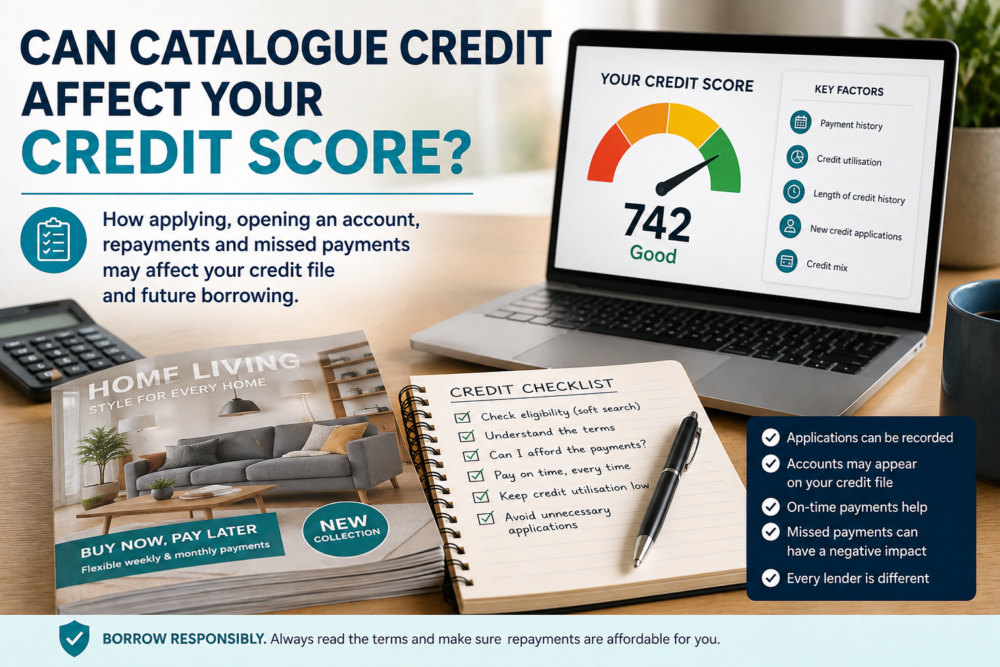
Regulated vs Unregulated CreditCategoriesGuides to Buy Now Pay Later

Regulated vs Unregulated Credit

Regulated vs Unregulated Credit: UK Guide

Regulated vs unregulated credit can be confusing. However, the difference matters when you borrow money or spread the cost of goods.

Some credit agreements are regulated under UK financial rules. As a result, lenders may have to follow specific FCA requirements.

Other agreements may be exempt from some of those rules. Therefore, the same protections may not apply in every case.

This guide explains the differences in simple terms. It also covers catalogue credit, Buy Now Pay Later and what to check before you agree to credit.

Important: BuyNowPayLaterCatalogue.co.uk is an independent information and referral website. We are not a lender and do not provide credit. Credit products, eligibility rules, costs and terms vary between providers. Always check the provider’s current terms before entering into a credit agreement.

What Does Regulated vs Unregulated Credit Mean?

Regulated credit falls within a legal and regulatory framework.

For example, many consumer credit activities are overseen by the Financial Conduct Authority, known as the FCA.

Firms carrying out regulated activities usually need the right authorisation or permission.

They must also follow the rules that apply to those activities.

However, not every credit agreement is regulated in the same way.

Some agreements may qualify for an exemption. Others may fall outside FCA regulation.

Therefore, the label tells you something about the rules that may apply. It does not tell you whether the product is good or bad.

Regulated Credit: What Does It Mean?

Regulated credit is covered by relevant consumer credit law and regulation.

The exact rules depend on the type of agreement.

For example, rules can cover how firms treat customers. They can also cover information given before an agreement starts.

In addition, regulated lenders may have duties when customers have payment problems.

These rules can provide useful protections.

However, regulated credit is not risk-free.

You still need to check the cost. You should also make sure the repayments fit your budget.

Unregulated Credit: What Does It Mean?

The term “unregulated credit” is often used for credit outside the normal FCA consumer credit regime.

However, there can be different reasons for this.

For example, an agreement may qualify for a legal exemption.

This does not mean that no rules apply at all.

Other laws and contract rights may still apply.

However, the same FCA protections may not apply.

Therefore, you should read the terms with care.

Why Regulated vs Unregulated Credit Matters

The difference matters because it can affect your rights and protections.

It can also affect the duties placed on a lender.

For example, regulated lenders may need to assess creditworthiness and affordability.

They may also need to provide certain information before you borrow.

In addition, rules can apply when customers fall behind with payments.

Unregulated or exempt agreements may work differently.

Therefore, do not judge an agreement only by the size of each payment.

Instead, read the full terms first.

Regulated vs Unregulated Credit and Buy Now Pay Later

The rules around Buy Now Pay Later changed in July 2026.

This matters because older information may now be out of date.

From 15 July 2026, certain Deferred Payment Credit agreements became regulated by the FCA.

Deferred Payment Credit is often described as Buy Now Pay Later.

However, not every Buy Now Pay Later arrangement is treated in the same way.

Third-party credit can now fall within the regulated regime.

For example, you may buy goods from one retailer. A separate finance company may provide the credit.

In that case, the agreement may be regulated.

However, exceptions can apply.

Regulated Credit Changes From July 2026

Before 15 July 2026, many Deferred Payment Credit agreements were outside FCA regulation.

The position has now changed for agreements covered by the new rules.

Third-party DPC lenders need the correct FCA permission to offer regulated agreements.

They must also follow relevant FCA rules.

For example, customers must receive key information before entering a covered agreement.

Lenders must also consider affordability.

In addition, they must support customers who face financial difficulty.

Can Unregulated Credit Still Include Buy Now Pay Later?

Yes.

Some Buy Now Pay Later arrangements can still fall outside FCA regulation.

One example is credit offered directly by the seller.

A business may sell you the goods and provide the credit itself.

In some cases, this type of instalment credit may qualify for an exemption.

However, conditions apply.

For example, qualifying instalment credit may need to be repaid within a set period.

There may also be limits on the number of instalments.

In addition, interest and charges can affect the position.

Therefore, the agreement structure matters.

Regulated vs Unregulated Credit: Does Agreement Length Matter?

Agreement length can matter. However, it does not decide the answer on its own.

This is an important point.

A short agreement is not automatically unregulated.

Likewise, a longer agreement is not automatically regulated.

Other factors also matter.

For example, who supplies the goods can be important.

Who provides the credit can also matter.

Interest and charges may matter too.

Therefore, never rely on the length alone.

Is a 12-Week Agreement Always Unregulated Credit?

No.

A 12-week agreement may meet part of an exemption. However, other conditions must also be met.

For example, the lender and supplier relationship can matter.

The agreement terms also matter.

Therefore, saying “12-week credit is unregulated” is too broad.

Is a 12-Month Agreement Always Regulated Credit?

No.

Again, agreement length is only one factor.

Some agreements lasting up to 12 months may be exempt.

Others may be regulated.

Therefore, always check the agreement itself.

Regulated vs Unregulated Credit in Catalogue Shopping

Catalogue websites can offer different ways to pay.

For example, one provider may offer regulated credit. Another agreement may be exempt.

Some providers may offer more than one type of agreement.

As a result, you should not assume all catalogue credit works in the same way.

First, check who provides the credit.

Next, check who supplies the goods.

Then look at the agreement length.

Also check whether interest or charges apply.

Finally, read what the provider says about regulation.

Our guide to how catalogue credit works explains the wider process.

Regulated Credit: What Protections May Apply?

Regulated credit can come with important protections.

The exact protections depend on the agreement.

For example, a lender may need to give you key information before you borrow.

This can help you understand the agreement.

In addition, affordability rules may apply.

There can also be rules around missed payments and financial difficulty.

However, these protections do not remove the risks of borrowing.

You still need to make the agreed payments.

Unregulated Credit: What Protections May Be Different?

An exempt or unregulated agreement may not have the same FCA protections.

However, other legal rights may still apply.

This is why you should check the terms carefully.

For example, look at the payment schedule.

Check the total amount payable.

Also check what happens if you miss a payment.

If payments are needed before dispatch, understand those terms too.

Our catalogue pre-payments guide explains this in more detail.

Regulated vs Unregulated Credit and Affordability

Affordability matters with any credit agreement.

However, regulated lenders may have specific duties to assess it.

This does not mean the lender’s decision replaces your own budget check.

Your circumstances can change.

For example, your income could fall.

Food, energy or housing costs could also rise.

Therefore, check how much money you have left after essential spending.

Then add your existing credit payments.

Finally, look at the new repayment.

If your budget is already tight, more credit may make things harder.

Read our guide to affordability assessments for more information.

Regulated vs Unregulated Credit and Credit Checks

Regulatory status does not tell you exactly what credit check will take place.

Providers can use different methods.

For example, one application may use a soft search.

Another may use a hard search.

Therefore, check what the provider says before you apply.

A credit check and an affordability assessment are not the same thing.

They may both be used during an application.

However, they serve different purposes.

Our guide to soft credit checks explains this in more detail.

Regulated vs Unregulated Credit and Your Credit Score

Either type of agreement may affect your credit record.

However, the effect can vary.

For example, the type of credit search can matter.

Reporting to credit reference agencies can matter too.

How you manage the account may also be important.

Therefore, do not assume unregulated credit can never affect your credit score.

Likewise, do not assume every regulated agreement affects it in the same way.

Read our guide to catalogue credit and your credit score for more detail.

Regulated vs Unregulated Credit and Missed Payments

Missing a payment can cause problems under either type of agreement.

However, the rules and processes may differ.

For regulated credit, specific FCA rules may apply.

For example, a lender may need to contact you and provide certain information.

An exempt agreement may not have the same FCA rules.

However, you should not ignore a missed payment.

Contact the provider as soon as possible.

Also, avoid taking more credit just to cover an existing payment.

This could increase your debt.

Read our guide to missed catalogue payments for more information.

Regulated Credit and FCA Authorisation

You can check whether a firm has FCA authorisation.

The FCA provides tools for this.

However, there is an important point.

A company can be authorised and still offer some products that are not regulated.

Therefore, checking the firm is only one step.

You should also check the agreement itself.

If you are unsure, ask the provider to explain the regulatory status.

Regulated vs Unregulated Credit: Questions to Ask

Before you agree to credit, ask some simple questions.

  • Who is providing the credit?
  • Who is supplying the goods?
  • Is the agreement regulated or exempt?
  • How much will I pay in total?
  • Does interest apply?
  • Are there any charges?
  • How often are payments due?
  • How long does the agreement last?
  • Are payments needed before dispatch?
  • When should the goods be dispatched?
  • What happens if I miss a payment?
  • Can the agreement affect my credit record?
  • What cancellation rights apply?

These questions can help you understand the agreement.

They can also help you compare options.

Regulated vs Unregulated Credit: Alternatives to Borrowing

You do not have to use credit.

For example, you could save for the purchase.

You could also choose a cheaper product.

In some cases, a refurbished or second-hand item may be suitable.

Shopping around may also help you find a lower price.

Therefore, compare your options before taking on another repayment.

Our guide to alternatives to catalogue credit looks at these options in more detail.

Regulated vs Unregulated Credit: FAQs

Is All Catalogue Credit Regulated?

No. The position depends on the agreement. Some catalogue credit may be regulated. Other agreements may be exempt.

Is All Buy Now Pay Later Regulated Credit?

No. The rules changed in July 2026. Some third-party Deferred Payment Credit is now regulated. However, some seller-provided agreements may still be exempt.

Is Interest-Free Credit Always Unregulated?

No. Interest-free credit can be regulated or exempt. The interest rate alone does not decide the regulatory status.

Does FCA Authorisation Mean All Credit Is Regulated?

No. A firm may offer different products. Therefore, check the agreement as well as the firm.

Is Regulated Credit Always Safer?

Regulated credit can provide important protections. However, all borrowing has risks. You still need to check the cost and affordability.

Regulated vs Unregulated Credit: Key Points

Regulated vs unregulated credit is about the rules and protections that may apply to an agreement.

Regulated credit can come with FCA requirements.

However, some agreements may qualify for an exemption.

The rules around Buy Now Pay Later changed in July 2026.

Therefore, older information may no longer be correct.

Do not decide regulatory status from the agreement length alone.

Instead, check who provides the credit.

Also check who supplies the goods.

Then look at the interest, charges and agreement structure.

Most importantly, check whether the repayments are affordable.

If you are struggling with debt or bills, free help is available. MoneyHelper, Citizens Advice and StepChange offer independent support.

For more information, visit our Buy Now Pay Later Catalogue information hub.


Editorial information: This guide provides general information about regulated and unregulated credit in the UK. It is not legal or personal financial advice. The regulatory position can depend on the type and structure of an agreement. Rules and provider terms can also change. Check current information before entering into a credit agreement.

Last reviewed: August 2026.
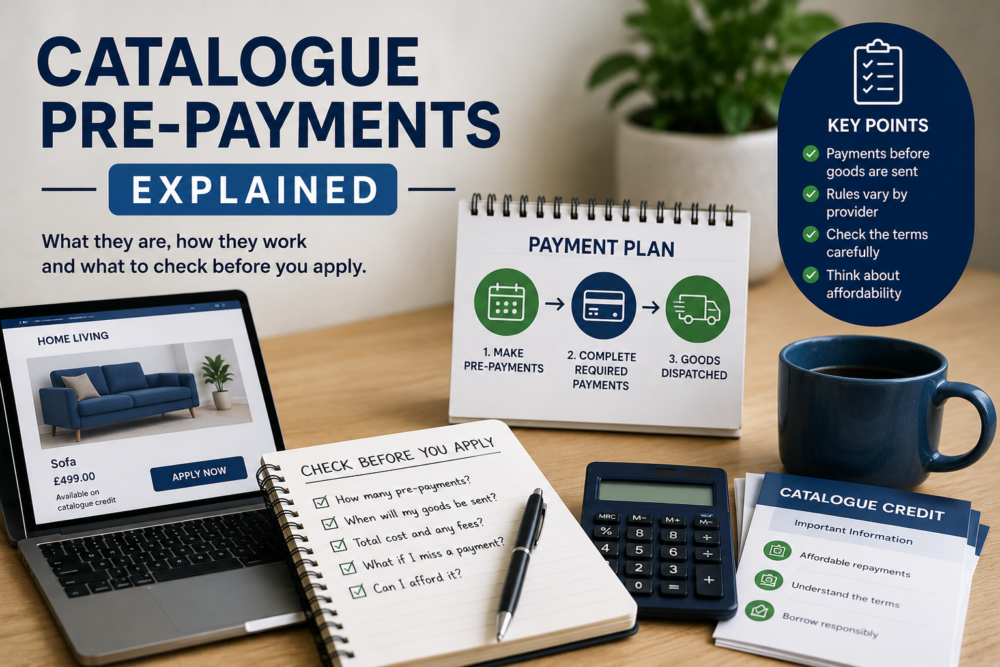
Pay_Weekly_vs_Pay_MonthlyCategoriesGuides to Buy Now Pay Later

Pay Weekly vs Pay Monthly Credit

Pay Weekly vs Pay Monthly: Which Payment Schedule Could Suit Your Budget?

Pay weekly vs pay monthly is a useful comparison when looking at catalogue credit. Both options let you spread payments over time. The main difference is how often you pay.

A weekly plan means you make payments more often. Each payment may be smaller. A monthly plan has fewer payment dates, but each payment may be larger.

Neither option is always better. You need to look at the full agreement. You should also think about your income and household budget.

This guide explains the main differences. It covers costs, payment dates, affordability and possible risks.

Important: BuyNowPayLaterCatalogue.co.uk is an independent information and referral website. We are not a lender and do not provide credit. Credit products, eligibility rules, costs and terms vary between providers. Always check the provider’s current terms before entering into a credit agreement.

What Does Pay Weekly vs Pay Monthly Mean?

The terms describe how often you make payments.

With a weekly plan, payments are usually due each week. With a monthly plan, they are usually due once a month.

Catalogue credit can use either type of payment schedule. Other payment schedules may also be available.

Payment frequency is only one part of the agreement. You also need to know how much you will pay in total.

Check how long the agreement lasts. Look for any interest or other charges too.

A small weekly payment is not always cheaper than a larger monthly payment.

Always look at the full cost.

How Do Pay Weekly Plans Work?

A pay weekly plan divides your repayments into weekly amounts.

The length of the agreement can vary. The terms can vary too.

Some providers may require payments before they dispatch the goods. Others may have different delivery rules.

Check these details before you agree to anything.

Weekly payments may look small. However, they are due more often.

This is important when planning your budget.

Possible Benefits of Pay Weekly Plans

Weekly payments may suit people who manage their money each week.

They may also fit well if your income arrives weekly.

The individual payment may be smaller than a monthly payment. This can make it easier to plan for each payment.

However, a smaller payment does not mean a lower total cost.

Possible Drawbacks of Pay Weekly Plans

Weekly payments come around quickly.

You have less time between each payment date. This could become difficult if an unexpected bill arrives.

There are also more payment dates to remember.

Missing a payment can have consequences. These depend on your agreement.

Check the late payment terms before you borrow.

How Do Pay Monthly Plans Work?

A monthly plan normally requires one payment each month.

The individual payment may be larger than a weekly payment. However, you will usually have fewer payment dates.

Monthly payments may fit well with a monthly household budget.

This can be useful if your income also arrives monthly.

But a monthly plan is not automatically affordable.

A larger payment can take a bigger amount from your budget at one time.

Possible Benefits of Pay Monthly Plans

Many household bills are paid monthly.

A monthly credit payment can be added to the same budget. This may make your spending easier to track.

You will also have fewer payment dates than with a weekly plan.

This may make the account easier to manage.

Possible Drawbacks of Pay Monthly Plans

Monthly payments can be larger.

This may put more pressure on your budget around the payment date.

Think about the other bills due at the same time.

These may include rent, mortgage payments and council tax. Energy bills and existing credit payments may also be due.

Make sure there is enough money for essential costs after the payment is made.

Pay Weekly vs Pay Monthly: Which Costs Less?

Pay weekly vs pay monthly describes when you pay. It does not tell you which option costs less.

This is an important point.

A low weekly payment can look attractive. A monthly payment may look much higher.

Those figures do not show the total cost.

You need to know how many payments you will make. You also need to know if interest or charges apply.

Look at the total amount payable.

Then compare it with the normal cash price of the product.

You may also want to compare the price with other retailers.

Look Beyond the Regular Payment

Do not focus only on the weekly or monthly figure.

For example, a small weekly payment could continue for a long time. The final cost could be higher than expected.

A larger monthly payment could run for a shorter period.

The only way to compare them properly is to look at the full terms.

Does 0% Interest Make One Option Better?

Not by itself.

Some credit agreements may charge 0% interest. Others may charge interest.

An interest-free agreement can reduce the cost of borrowing. But you still have to repay the money you owe.

It can still be unaffordable.

Check whether any conditions apply to a 0% offer. Read the full terms before you agree.

Look at the total cost as well as the interest rate.

Pay Weekly vs Pay Monthly for Budgeting

Your income dates can help when comparing pay weekly vs pay monthly.

Some people are paid every week. Others are paid every two weeks or every four weeks. Many people receive a monthly salary.

Other income can arrive on different dates.

A payment schedule that matches your income may be easier to manage.

However, matching the dates does not make the credit affordable.

You still need enough money for your other costs.

Start With Essential Spending

Look at your essential costs before adding another payment.

These may include:

  • rent or mortgage payments;
  • council tax;
  • gas and electricity;
  • food;
  • travel;
  • insurance;
  • childcare;
  • existing credit payments; and
  • other essential household costs.

Add these costs together.

Then look at how much money you have left.

Could you comfortably make the new payment?

Try to leave room for unexpected costs too.

A budget can become difficult if there is no spare money for emergencies.

Why Affordability Matters

Affordability is not just about making the first payment.

You need to consider the full repayment period.

For regulated consumer credit, lenders may need to assess your creditworthiness before lending. This includes considering affordability where the relevant FCA rules apply.

In simple terms, the lender needs to consider the risk that repayments could cause financial problems.

It may look at your income and financial commitments. The checks used can depend on the agreement and circumstances.

You should make your own checks too.

Think about what might happen if your income fell. Also consider whether your main household bills could increase.

Do not rely only on the lender’s decision.

Read our guide to what an affordability assessment is for more information.

Pay Weekly vs Pay Monthly: What About Credit Checks?

The payment frequency does not tell you what type of credit check will take place.

Providers can use different checks.

A provider may use information from a credit reference agency. A search could be soft or hard, depending on the application.

Do not assume all weekly plans use soft checks.

Do not assume monthly plans always use hard checks either.

Check what the provider says before applying.

Our guide to soft credit checks explains this topic in more detail.

Pay Weekly vs Pay Monthly: What Are Pre-Payments?

Pre-payments are separate from the normal payment frequency.

Some catalogue providers may ask for payments before goods are dispatched.

This does not apply to every catalogue agreement.

If pre-payments are required, check how they work.

Find out when your goods should be dispatched. Check whether you need to make a number of payments first.

The requirements can vary between providers and customers.

Do not assume a pay weekly plan means immediate delivery.

Our catalogue pre-payments guide explains this in more detail.

What Happens If You Miss a Payment?

A missed payment can have consequences.

The exact outcome depends on the agreement and provider.

The provider may contact you about the missed payment.

Other action may follow where the agreement and relevant rules allow it.

A missed payment could also affect your credit record. This can depend on how the account is reported.

If you are struggling, do not ignore the problem.

Contact the provider as soon as you can. Ask what support may be available.

Be careful about borrowing more money to make an existing payment. This can increase your debt.

Read our guide to what happens if you miss catalogue payments.

Are Weekly Payments Harder to Track?

They can be.

There are 52 weeks in a year. This is worth remembering if you normally budget by calendar month.

Some months will include more weekly payment dates than others.

Do not simply multiply a weekly payment by four to work out a monthly budget.

You can look at the annual cost instead.

This can make weekly and monthly commitments easier to compare.

Are Monthly Payments Harder to Manage?

They can be for some budgets.

A monthly payment may take a larger amount from your account at once.

The timing can matter.

Check when your income arrives. Then look at when your major bills are paid.

Make sure the credit payment leaves enough for essential spending.

You need enough money to manage until your next income arrives.

Pay Weekly vs Pay Monthly When You Already Have Credit

Existing debts should be part of your decision.

You may already have a credit card or overdraft. You might have loans or other catalogue accounts too.

Write down each regular payment.

Small payments can add up quickly.

Then add the new weekly or monthly payment.

Look at the total rather than each debt on its own.

If you need to borrow to cover essential bills, think carefully before taking more credit.

Another repayment could make your finances harder to manage.

Questions to Ask Before Choosing Pay Weekly vs Pay Monthly

Read the terms before you choose a plan.

Ask these questions:

  • What is the cash price?
  • What is the total amount payable?
  • How much is each payment?
  • How often do I pay?
  • How long does the agreement last?
  • Does interest apply?
  • Are there any other charges?
  • Are payments needed before dispatch?
  • When should the goods be dispatched?
  • What happens if I miss a payment?
  • Can I repay early?
  • Is the product cheaper elsewhere?

The answers can help you compare plans more clearly.

They can also help you decide whether borrowing is right for you.

Alternatives to Pay Weekly or Pay Monthly Credit

You do not have to use credit.

One option is to save for the purchase.

This may mean waiting longer. However, you will avoid adding another credit payment to your budget.

You could also look for a cheaper product.

A refurbished or second-hand item may be suitable in some cases. Check its condition and any warranty before buying.

You can also compare prices at other retailers.

Other types of credit are available. They have their own costs and risks.

Moving to another form of borrowing does not remove the need to check affordability.

Read our alternatives to catalogue credit guide for more information.

Frequently Asked Questions About Pay Weekly vs Pay Monthly

Is pay weekly cheaper than pay monthly?

Not always. Payment frequency does not show the total cost. Check the total amount payable, interest, charges and length of the agreement.

Are weekly payments easier to afford?

Not necessarily. Each payment may be smaller, but you pay more often. Affordability depends on your income, spending and other commitments.

Are monthly payments easier to budget for?

They may be for some people. This can be the case if your income and bills are monthly. However, the payment still needs to fit your budget.

Is pay monthly better for my credit score?

Not simply because payments are monthly. Your credit record can be affected by several factors. These may include searches, account reporting and how you manage the agreement.

Does pay weekly mean fast delivery?

No. Payment frequency does not guarantee a delivery date. Some providers may require payments before dispatch. Check the provider’s terms.

Can I choose between weekly and monthly payments?

It depends on the provider and agreement. Some providers may offer a choice. Others may offer only one payment schedule.

Can catalogue payments affect my credit score?

They may. This depends on the agreement and how the account is managed and reported. Read our guide to catalogue credit and your credit score.

Pay Weekly vs Pay Monthly: The Key Points

There is no single winner when comparing pay weekly vs pay monthly.

Weekly payments are more frequent. Each payment may be smaller.

Monthly payments are less frequent. Each payment may be larger.

Neither tells you the full cost.

Check the total amount payable. Look at interest, charges and the length of the agreement.

Check the delivery terms too. Find out whether payments may be required before dispatch.

Then look at your own budget.

Make sure you can cover essential costs and existing commitments.

Do not choose credit only because the regular payment looks small.

If you are struggling with bills or debt, free support is available. MoneyHelper, Citizens Advice and StepChange can provide independent information and support.

For more information about catalogue credit, visit our Buy Now Pay Later Catalogue information hub.


Editorial information: This guide provides general information about weekly and monthly credit repayments in the UK. It is not personal financial advice. Credit products and provider terms can change. Check the current terms of any agreement before applying.

Last reviewed: August 2026.

How_Catalogue_Credit_WorksCategoriesGuides to Buy Now Pay Later

How Catalogue Credit Works | A Simple UK Guide

How Catalogue Credit Works: A Simple Guide to Buying on Account

How catalogue credit works can seem confusing if you have never used a shopping account before. In simple terms, catalogue credit can let you buy goods and pay for them over an agreed period instead of paying the full price at once.

Different catalogue providers offer different types of credit. The repayment period, interest rate, credit checks and other conditions can all vary. Some providers may also require payments before goods are dispatched.

This guide explains the basics. It covers how catalogue accounts work, affordability checks, repayments, possible costs and the risks of borrowing.

Important: BuyNowPayLaterCatalogue.co.uk is an independent information and referral website. We are not a lender and do not provide credit. Credit products, eligibility rules, costs and terms vary between providers. Always check the provider’s current terms before entering into a credit agreement.

What Is Catalogue Credit?

Catalogue credit is a way of buying goods and paying for them over time. It may also be called a shopping account or mail-order account.

Instead of paying the full purchase price at checkout, you agree to make payments under the terms offered by the credit provider.

MoneyHelper explains that catalogue credit can involve weekly or monthly instalments. The exact repayment period will depend on the provider and agreement.

Modern catalogue shopping does not always involve a printed catalogue. Many catalogue businesses now operate online. You may browse products on a website, create an account and apply for a payment option online.

Catalogue credit can be used for products such as furniture, electrical goods, appliances, beds and technology. The products available will depend on the retailer.

How Catalogue Credit Works When You Apply

Understanding how catalogue credit works starts with the application process.

You will usually need to create an account and provide personal information. The information requested will vary between providers.

A provider may need details that help it confirm your identity. It may also ask for information about your financial circumstances.

The provider will then decide whether it is prepared to offer credit. Depending on the type of agreement, this can involve checks of your creditworthiness and affordability.

Being able to apply does not mean you will be accepted. It also does not mean every applicant will receive the same terms.

Your circumstances may affect the credit available to you. Providers can use different assessment methods, so an outcome from one company does not guarantee the same outcome elsewhere.

What Is Creditworthiness?

Creditworthiness is broadly about the risk involved in lending money to someone.

A lender may consider information about how you have managed credit in the past. It may also use information supplied during your application.

For regulated consumer credit, FCA rules require a reasonable creditworthiness assessment before a lender enters into a regulated credit agreement.

This assessment considers more than whether a lender thinks it will get its money back. Affordability risk is also important.

What Does Affordability Mean?

Affordability looks at whether repayments can be made without causing financial problems.

For regulated agreements covered by the relevant FCA rules, a lender must consider whether repayments can be made as they fall due. It must also consider whether repayments could have a significant negative effect on the customer’s finances.

The FCA also says the assessment should consider whether repayments can be made without having to borrow more money to meet them.

This does not mean every lender must use exactly the same affordability process. The checks can vary according to the agreement and the circumstances.

You should also make your own assessment of affordability. A lender accepting an application does not remove the need to check your personal budget.

How Do Catalogue Credit Payments Work?

Once you enter into an agreement, you will normally have a payment schedule or other repayment terms to follow.

Payments might be weekly, monthly or arranged in another way. This depends on the credit product.

Before agreeing, check:

  • how much each payment will be;
  • how often payments are due;
  • how long the agreement lasts;
  • the total amount you will pay;
  • whether interest or other charges apply;
  • whether any payments are needed before dispatch; and
  • what may happen if you pay late or miss a payment.

Do not judge affordability only by the size of an individual weekly or monthly payment.

A smaller regular payment can look easier to manage. However, you should still consider the total cost and how long you will be making payments.

Does Catalogue Credit Charge Interest?

There is no single interest rate that applies to catalogue credit.

Some agreements may offer interest-free borrowing. Others may charge interest. Certain offers may only remain interest-free if you repay the balance within a set period.

This is why it is important to read the individual agreement rather than assuming all catalogue accounts work in the same way.

Check the APR where one applies. You should also look at the total amount payable and any other charges.

Even 0% interest does not automatically make borrowing affordable.

If you cannot comfortably make the repayments, taking on the commitment could still create financial problems.

How Catalogue Credit Works With Credit Checks

Credit checks can form part of a catalogue credit application, but providers do not all use them in the same way.

A provider might perform a soft credit search. Another application or stage of the process may involve a hard search.

A soft search generally does not affect your credit score in the same way as a hard application search. You should check what type of search a provider intends to carry out before applying.

It is also important not to confuse a credit check with an affordability assessment.

They can be related, but they are not necessarily the same thing.

The FCA does not require regulated lenders to use one identical method for every creditworthiness assessment. The information and checks needed can depend on factors such as the type and amount of credit and the customer’s financial position.

Our separate guide to soft credit checks explains this in more detail.

Can Catalogue Providers Require Pre-Payments?

Some catalogue arrangements may require payments before goods are dispatched.

These are sometimes described as pre-payments.

The way they work depends on the provider. You should not assume that every catalogue requires them or that every customer will have the same requirements.

If a provider requires pre-payments, check how many may be needed and when the goods are expected to be dispatched.

You should also understand what happens to money already paid if you cancel, if an order cannot be fulfilled or if another problem occurs.

Read the provider’s current terms rather than relying on another customer’s experience.

We explain this subject further in our catalogue pre-payments guide.

Benefits of Understanding How Catalogue Credit Works

Catalogue credit can offer flexibility, but that does not mean it is suitable for everyone.

A possible benefit is that you may be able to spread the cost of a purchase rather than paying the full amount at once.

This could make budgeting for some larger purchases easier when the repayments are affordable.

Some providers may also offer interest-free payment options. Where this applies, it can reduce the cost of borrowing compared with credit that charges interest.

There can also be convenience in keeping purchases and payments within one shopping account.

However, these benefits need to be considered alongside the risks.

What Are the Risks of Catalogue Credit?

The main risk is taking on repayments that later become difficult to afford.

Your financial circumstances can change. Income can fall, while rent, energy, food or other essential costs can rise.

A payment that feels manageable today might become harder to meet later.

Missing payments may also lead to consequences under your agreement. Depending on the product and circumstances, this could include charges, collection activity or information being recorded with credit reference agencies.

This could make future borrowing more difficult or expensive.

Another risk is focusing on the regular payment instead of the full purchase price.

For example, a weekly figure may look small in isolation. The more useful comparison is often the total amount payable for the product.

Compare that figure with the price of buying the same or a similar item elsewhere.

How Catalogue Credit Works When You Have More Than One Account

Having several payment plans at the same time can make budgeting harder.

Each individual payment may appear affordable. The combined total may be much larger.

Before taking additional credit, list your existing commitments.

Include credit cards, loans, overdrafts, catalogue accounts and other payment plans. Then add essential household spending.

Think about what would happen if an unexpected bill arrived.

If making the new payment would leave little room for essential spending or emergencies, more borrowing may not be appropriate.

What Should You Check Before Using Catalogue Credit?

Understanding how catalogue credit works means looking beyond the product you want to buy.

Start with the agreement itself.

Check the total price of the goods and the total amount payable under the agreement. Find out whether interest or charges apply.

Look at the repayment frequency and agreement length.

You should also understand the provider’s delivery rules. This is particularly important if payments may be required before dispatch.

Check what happens if you miss a payment. Read the cancellation and returns information too.

Finally, consider whether you could buy the product in another way.

Alternatives to Catalogue Credit

You do not have to use credit simply because a payment plan is available.

One alternative is to wait and save for the item. This avoids adding another repayment commitment to your budget.

You could also compare lower-cost products.

For some purchases, a refurbished or second-hand product may be suitable. Check the condition, warranty and seller before buying.

If you already have savings, you could consider whether using some of them is appropriate. However, keeping money available for emergencies can also be important.

Other forms of credit exist, but they come with their own costs and risks. Compare the total amount repayable rather than looking only at the headline rate or monthly payment.

Our alternatives to catalogue credit guide explores these options in more detail.

What Happens If You Cannot Make a Catalogue Payment?

Do not ignore a payment problem.

Check your agreement and contact the provider if you think you may struggle to pay. Asking for help early can give you more time to understand your options.

Do not automatically take out more credit to cover an existing payment. That can increase your overall debt and may make the problem harder to manage.

If you are struggling with debt or household bills, free independent support is available.

MoneyHelper, Citizens Advice and StepChange provide information and support.

You can also read our guide to what happens if you miss catalogue payments.

Frequently Asked Questions About How Catalogue Credit Works

Is catalogue credit the same as a normal loan?

Not necessarily. Catalogue credit is generally linked to buying goods through a retailer or shopping account. A personal loan normally provides money that can be used more broadly. The terms, protections, interest and repayment structure can differ.

Does every catalogue offer the same payment plans?

No. Payment plans vary between providers. A provider may also offer different terms to different customers, depending on the product and individual circumstances.

Will I be accepted for catalogue credit?

There is no guarantee of acceptance. Providers can apply eligibility, creditworthiness and affordability criteria. An application may be declined.

Does catalogue credit always involve a credit check?

Do not assume every provider follows the same process. Credit checking practices can depend on the provider and type of agreement. Check the application information before proceeding.

Is interest-free catalogue credit risk-free?

No. A 0% interest rate removes interest from the agreement where the terms are met, but you still have a repayment commitment. Missing payments can have consequences.

Can catalogue credit affect my credit score?

It may. The effect can depend on the type of credit search, whether the account is reported to credit reference agencies and how the account is managed. Our catalogue credit and credit score guide covers this separately.

How Catalogue Credit Works: The Key Points

Catalogue credit can let you buy products and spread the cost instead of paying the full price immediately.

However, there is no single catalogue credit model.

Interest rates, repayment periods, credit checks, affordability processes and delivery conditions can differ between providers.

Before entering into an agreement, check the total amount payable. Understand the payment schedule and any interest or charges.

Check when your goods will be dispatched and whether any conditions apply first.

Most importantly, consider whether the repayments are affordable alongside your essential spending and existing commitments.

If you want to learn more, visit our Buy Now Pay Later Catalogue information hub for more guides about catalogue credit and ways to spread the cost.


Editorial information: This guide provides general information about catalogue credit in the UK. It is not personal financial advice. Credit products and provider terms can change. Check the current terms of any agreement before applying.

Last reviewed: August 2026.