Regulated vs Unregulated Credit: UK Guide
Regulated vs unregulated credit can be confusing. However, the difference matters when you borrow money or spread the cost of goods.
Some credit agreements are regulated under UK financial rules. As a result, lenders may have to follow specific FCA requirements.
Other agreements may be exempt from some of those rules. Therefore, the same protections may not apply in every case.
This guide explains the differences in simple terms. It also covers catalogue credit, Buy Now Pay Later and what to check before you agree to credit.
Important: BuyNowPayLaterCatalogue.co.uk is an independent information and referral website. We are not a lender and do not provide credit. Credit products, eligibility rules, costs and terms vary between providers. Always check the provider’s current terms before entering into a credit agreement.
What Does Regulated vs Unregulated Credit Mean?
Regulated credit falls within a legal and regulatory framework.
For example, many consumer credit activities are overseen by the Financial Conduct Authority, known as the FCA.
Firms carrying out regulated activities usually need the right authorisation or permission.
They must also follow the rules that apply to those activities.
However, not every credit agreement is regulated in the same way.
Some agreements may qualify for an exemption. Others may fall outside FCA regulation.
Therefore, the label tells you something about the rules that may apply. It does not tell you whether the product is good or bad.
Regulated Credit: What Does It Mean?
Regulated credit is covered by relevant consumer credit law and regulation.
The exact rules depend on the type of agreement.
For example, rules can cover how firms treat customers. They can also cover information given before an agreement starts.
In addition, regulated lenders may have duties when customers have payment problems.
These rules can provide useful protections.
However, regulated credit is not risk-free.
You still need to check the cost. You should also make sure the repayments fit your budget.
Unregulated Credit: What Does It Mean?
The term “unregulated credit” is often used for credit outside the normal FCA consumer credit regime.
However, there can be different reasons for this.
For example, an agreement may qualify for a legal exemption.
This does not mean that no rules apply at all.
Other laws and contract rights may still apply.
However, the same FCA protections may not apply.
Therefore, you should read the terms with care.
Why Regulated vs Unregulated Credit Matters
The difference matters because it can affect your rights and protections.
It can also affect the duties placed on a lender.
For example, regulated lenders may need to assess creditworthiness and affordability.
They may also need to provide certain information before you borrow.
In addition, rules can apply when customers fall behind with payments.
Unregulated or exempt agreements may work differently.
Therefore, do not judge an agreement only by the size of each payment.
Instead, read the full terms first.
Regulated vs Unregulated Credit and Buy Now Pay Later
The rules around Buy Now Pay Later changed in July 2026.
This matters because older information may now be out of date.
From 15 July 2026, certain Deferred Payment Credit agreements became regulated by the FCA.
Deferred Payment Credit is often described as Buy Now Pay Later.
However, not every Buy Now Pay Later arrangement is treated in the same way.
Third-party credit can now fall within the regulated regime.
For example, you may buy goods from one retailer. A separate finance company may provide the credit.
In that case, the agreement may be regulated.
However, exceptions can apply.
Regulated Credit Changes From July 2026
Before 15 July 2026, many Deferred Payment Credit agreements were outside FCA regulation.
The position has now changed for agreements covered by the new rules.
Third-party DPC lenders need the correct FCA permission to offer regulated agreements.
They must also follow relevant FCA rules.
For example, customers must receive key information before entering a covered agreement.
Lenders must also consider affordability.
In addition, they must support customers who face financial difficulty.
Can Unregulated Credit Still Include Buy Now Pay Later?
Yes.
Some Buy Now Pay Later arrangements can still fall outside FCA regulation.
One example is credit offered directly by the seller.
A business may sell you the goods and provide the credit itself.
In some cases, this type of instalment credit may qualify for an exemption.
However, conditions apply.
For example, qualifying instalment credit may need to be repaid within a set period.
There may also be limits on the number of instalments.
In addition, interest and charges can affect the position.
Therefore, the agreement structure matters.
Regulated vs Unregulated Credit: Does Agreement Length Matter?
Agreement length can matter. However, it does not decide the answer on its own.
This is an important point.
A short agreement is not automatically unregulated.
Likewise, a longer agreement is not automatically regulated.
Other factors also matter.
For example, who supplies the goods can be important.
Who provides the credit can also matter.
Interest and charges may matter too.
Therefore, never rely on the length alone.
Is a 12-Week Agreement Always Unregulated Credit?
No.
A 12-week agreement may meet part of an exemption. However, other conditions must also be met.
For example, the lender and supplier relationship can matter.
The agreement terms also matter.
Therefore, saying “12-week credit is unregulated” is too broad.
Is a 12-Month Agreement Always Regulated Credit?
No.
Again, agreement length is only one factor.
Some agreements lasting up to 12 months may be exempt.
Others may be regulated.
Therefore, always check the agreement itself.
Regulated vs Unregulated Credit in Catalogue Shopping
Catalogue websites can offer different ways to pay.
For example, one provider may offer regulated credit. Another agreement may be exempt.
Some providers may offer more than one type of agreement.
As a result, you should not assume all catalogue credit works in the same way.
First, check who provides the credit.
Next, check who supplies the goods.
Then look at the agreement length.
Also check whether interest or charges apply.
Finally, read what the provider says about regulation.
Our guide to how catalogue credit works explains the wider process.
Regulated Credit: What Protections May Apply?
Regulated credit can come with important protections.
The exact protections depend on the agreement.
For example, a lender may need to give you key information before you borrow.
This can help you understand the agreement.
In addition, affordability rules may apply.
There can also be rules around missed payments and financial difficulty.
However, these protections do not remove the risks of borrowing.
You still need to make the agreed payments.
Unregulated Credit: What Protections May Be Different?
An exempt or unregulated agreement may not have the same FCA protections.
However, other legal rights may still apply.
This is why you should check the terms carefully.
For example, look at the payment schedule.
Check the total amount payable.
Also check what happens if you miss a payment.
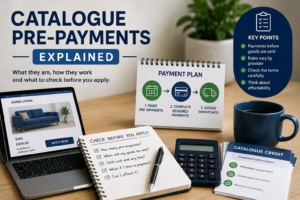
If payments are needed before dispatch, understand those terms too.
Our catalogue pre-payments guide explains this in more detail.
Regulated vs Unregulated Credit and Affordability
Affordability matters with any credit agreement.
However, regulated lenders may have specific duties to assess it.
This does not mean the lender’s decision replaces your own budget check.
Your circumstances can change.
For example, your income could fall.
Food, energy or housing costs could also rise.
Therefore, check how much money you have left after essential spending.
Then add your existing credit payments.
Finally, look at the new repayment.
If your budget is already tight, more credit may make things harder.
Read our guide to affordability assessments for more information.
Regulated vs Unregulated Credit and Credit Checks
Regulatory status does not tell you exactly what credit check will take place.
Providers can use different methods.
For example, one application may use a soft search.
Another may use a hard search.
Therefore, check what the provider says before you apply.
A credit check and an affordability assessment are not the same thing.
They may both be used during an application.
However, they serve different purposes.
Our guide to soft credit checks explains this in more detail.
Regulated vs Unregulated Credit and Your Credit Score
Either type of agreement may affect your credit record.
However, the effect can vary.
For example, the type of credit search can matter.
Reporting to credit reference agencies can matter too.
How you manage the account may also be important.
Therefore, do not assume unregulated credit can never affect your credit score.
Likewise, do not assume every regulated agreement affects it in the same way.
Read our guide to catalogue credit and your credit score for more detail.
Regulated vs Unregulated Credit and Missed Payments
Missing a payment can cause problems under either type of agreement.
However, the rules and processes may differ.
For regulated credit, specific FCA rules may apply.
For example, a lender may need to contact you and provide certain information.
An exempt agreement may not have the same FCA rules.
However, you should not ignore a missed payment.
Contact the provider as soon as possible.
Also, avoid taking more credit just to cover an existing payment.
This could increase your debt.
Read our guide to missed catalogue payments for more information.
Regulated Credit and FCA Authorisation
You can check whether a firm has FCA authorisation.
The FCA provides tools for this.
However, there is an important point.
A company can be authorised and still offer some products that are not regulated.
Therefore, checking the firm is only one step.
You should also check the agreement itself.
If you are unsure, ask the provider to explain the regulatory status.
Regulated vs Unregulated Credit: Questions to Ask
Before you agree to credit, ask some simple questions.
- Who is providing the credit?
- Who is supplying the goods?
- Is the agreement regulated or exempt?
- How much will I pay in total?
- Does interest apply?
- Are there any charges?
- How often are payments due?
- How long does the agreement last?
- Are payments needed before dispatch?
- When should the goods be dispatched?
- What happens if I miss a payment?
- Can the agreement affect my credit record?
- What cancellation rights apply?
These questions can help you understand the agreement.
They can also help you compare options.
Regulated vs Unregulated Credit: Alternatives to Borrowing
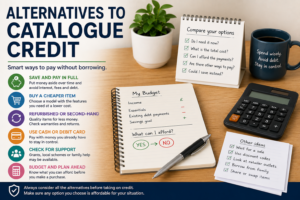
You do not have to use credit.
For example, you could save for the purchase.
You could also choose a cheaper product.
In some cases, a refurbished or second-hand item may be suitable.
Shopping around may also help you find a lower price.
Therefore, compare your options before taking on another repayment.
Our guide to alternatives to catalogue credit looks at these options in more detail.
Regulated vs Unregulated Credit: FAQs
Is All Catalogue Credit Regulated?
No. The position depends on the agreement. Some catalogue credit may be regulated. Other agreements may be exempt.
Is All Buy Now Pay Later Regulated Credit?
No. The rules changed in July 2026. Some third-party Deferred Payment Credit is now regulated. However, some seller-provided agreements may still be exempt.
Is Interest-Free Credit Always Unregulated?
No. Interest-free credit can be regulated or exempt. The interest rate alone does not decide the regulatory status.
Does FCA Authorisation Mean All Credit Is Regulated?
No. A firm may offer different products. Therefore, check the agreement as well as the firm.
Is Regulated Credit Always Safer?
Regulated credit can provide important protections. However, all borrowing has risks. You still need to check the cost and affordability.
Regulated vs Unregulated Credit: Key Points
Regulated vs unregulated credit is about the rules and protections that may apply to an agreement.
Regulated credit can come with FCA requirements.
However, some agreements may qualify for an exemption.
The rules around Buy Now Pay Later changed in July 2026.
Therefore, older information may no longer be correct.
Do not decide regulatory status from the agreement length alone.
Instead, check who provides the credit.
Also check who supplies the goods.
Then look at the interest, charges and agreement structure.
Most importantly, check whether the repayments are affordable.
If you are struggling with debt or bills, free help is available. MoneyHelper, Citizens Advice and StepChange offer independent support.
For more information, visit our Buy Now Pay Later Catalogue information hub.
Editorial information: This guide provides general information about regulated and unregulated credit in the UK. It is not legal or personal financial advice. The regulatory position can depend on the type and structure of an agreement. Rules and provider terms can also change. Check current information before entering into a credit agreement.
Last reviewed: August 2026.